In the ever-evolving landscape of cybersecurity, implementing best practices is essential for protecting digital assets, maintaining system integrity, and ensuring data confidentiality. These practices help mitigate risks, prevent breaches, and safeguard against a wide range of threats. This article outlines key best practices for security, focusing on both personal and organizational approaches.

Best Practices for Security

1. Implement Strong Password Policies

Overview: Passwords are a fundamental line of defense against unauthorized access. Strong password policies help ensure that passwords are difficult for attackers to guess or crack.

Best Practices:

  • Use Complex Passwords: Create passwords that include a mix of uppercase letters, lowercase letters, numbers, and special characters.
  • Avoid Common Passwords: Steer clear of easily guessable passwords, such as “password123” or “admin.”
  • Implement Password Length Requirements: Enforce a minimum length for passwords, typically at least 8-12 characters.
  • Encourage Password Changes: Regularly update passwords and avoid reusing old passwords across different accounts.
  • Use Password Managers: Employ password managers to securely store and generate complex passwords.

2. Enable Multi-Factor Authentication (MFA)

Overview: Multi-factor authentication (MFA) adds an extra layer of security by requiring users to provide two or more verification factors to access accounts or systems.

Best Practices:

  • Use MFA for Sensitive Accounts: Enable MFA for critical accounts, such as email, financial accounts, and administrative access.
  • Select Strong Authentication Methods: Choose reliable authentication methods, such as SMS codes, authentication apps, or hardware tokens.
  • Educate Users on MFA: Ensure that users understand the importance of MFA and how to use it effectively.

3. Regularly Update and Patch Systems

Overview: Keeping software, operating systems, and applications up to date is crucial for protecting against known vulnerabilities and security flaws.

Best Practices:

  • Establish a Regular Update Schedule: Regularly check for and apply updates and patches to all software and systems.
  • Automate Updates Where Possible: Use automated tools to manage updates and ensure timely application.
  • Test Updates Before Deployment: Test updates in a controlled environment to identify potential issues before applying them to production systems.

4. Implement Firewalls and Antivirus Software

Overview: Firewalls and antivirus software are essential for defending against malicious attacks and unauthorized access.

Best Practices:

  • Deploy Firewalls: Use both hardware and software firewalls to monitor and control incoming and outgoing network traffic.
  • Install Antivirus Software: Employ reputable antivirus software to detect and remove malware and other threats.
  • Regularly Update Security Software: Keep antivirus and firewall software updated to protect against the latest threats.

5. Encrypt Sensitive Data

Overview: Encryption protects sensitive data by converting it into an unreadable format that can only be decrypted with the correct key or password.

Best Practices:

  • Encrypt Data at Rest and in Transit: Use encryption to protect data stored on devices and transmitted over networks.
  • Use Strong Encryption Standards: Apply well-established encryption algorithms, such as AES-256, for securing data.
  • Manage Encryption Keys Securely: Protect and manage encryption keys to prevent unauthorized access.

6. Backup Data Regularly

Overview: Regular data backups ensure that important information can be recovered in case of data loss, corruption, or ransomware attacks.

Best Practices:

  • Create Automated Backups: Set up automated backup processes to regularly back up critical data.
  • Store Backups Securely: Keep backups in secure locations, such as offsite storage or cloud services, to protect against physical and cyber threats.
  • Test Backup Restoration: Regularly test backup restoration processes to ensure data can be recovered successfully.

7. Educate and Train Users

Overview: User awareness and training are crucial for preventing security breaches and ensuring that employees follow best practices.

Best Practices:

  • Conduct Regular Training: Provide cybersecurity training to employees on topics such as phishing, password management, and safe browsing practices.
  • Simulate Phishing Attacks: Use simulated phishing exercises to test user awareness and identify areas for improvement.
  • Promote a Security Culture: Encourage a culture of security awareness and responsibility within the organization.

8. Monitor and Respond to Security Incidents

Overview: Effective monitoring and response strategies help detect and address security incidents promptly.

Best Practices:

  • Implement Security Monitoring Tools: Use monitoring tools to detect suspicious activities, unauthorized access, and potential breaches.
  • Develop an Incident Response Plan: Create and maintain an incident response plan to guide actions during security incidents.
  • Conduct Regular Security Audits: Perform regular security audits and assessments to identify vulnerabilities and improve defenses.

9. Limit Access and Permissions

Overview: Limiting access and permissions helps reduce the risk of unauthorized access and potential damage.

Best Practices:

  • Apply the Principle of Least Privilege: Grant users the minimum level of access necessary for their roles and responsibilities.
  • Review Access Rights Regularly: Periodically review and adjust access rights to reflect changes in roles or organizational structure.
  • Use Role-Based Access Control: Implement role-based access control (RBAC) to manage permissions based on user roles and responsibilities.

10. Secure Physical Access

Overview: Physical security is an often-overlooked aspect of cybersecurity that involves protecting hardware and infrastructure.

Best Practices:

  • Restrict Access to Sensitive Areas: Limit physical access to server rooms, data centers, and other critical infrastructure.
  • Use Physical Locks and Security Measures: Employ locks, access cards, and surveillance systems to secure physical locations.
  • Monitor and Record Access: Keep records of who accesses sensitive areas and regularly review access logs.

11. Stay Informed About Emerging Threats

Overview: Keeping abreast of the latest cybersecurity threats and trends helps adapt defenses to evolving risks.

Best Practices:

  • Follow Cybersecurity News: Stay updated on the latest threats, vulnerabilities, and security practices through news sources and industry publications.
  • Participate in Security Communities: Engage with cybersecurity communities, forums, and professional networks to share knowledge and insights.
  • Attend Security Conferences: Attend conferences and training sessions to learn about new technologies and threat landscapes.

12. Conclusion

Implementing best practices for security is essential for protecting digital assets, ensuring system stability, and mitigating risks. By adopting these practices, including strong password policies, multi-factor authentication, regular updates, and user education, organizations and individuals can enhance their cybersecurity posture and safeguard against potential threats.

As we look ahead to 2025, the landscape of operating systems (OS) is poised for transformative changes driven by technological advancements, evolving user expectations, and emerging trends. Understanding these developments can provide insights into how OS platforms will evolve, shaping the way we interact with technology. This blog post explores key trends and predictions for operating systems in 2025, offering a glimpse into the future of OS development.

1. AI-Enhanced Operating Systems

**1.1. AI Integration

  • Smarter OS: Operating systems in 2025 are expected to incorporate advanced artificial intelligence (AI) capabilities. AI-driven OS will offer enhanced user experiences through personalized recommendations, predictive analytics, and intelligent automation.
  • Context-Aware Features: AI integration will enable OS platforms to understand user context and adapt functionalities accordingly, providing a more intuitive and responsive environment.

**1.2. Automated System Management

  • Self-Healing Systems: AI-powered systems will feature self-healing capabilities, automatically identifying and resolving issues without user intervention. This includes managing performance, security, and resource allocation.
Future of Operating Systems: Trends and Predictions for 2025

2. Increased Focus on Privacy and Security

**2.1. Advanced Security Measures

  • Zero Trust Architecture: The adoption of zero trust models, where every access request is verified, will become more prevalent. Operating systems will incorporate advanced security protocols to protect against sophisticated threats and ensure data integrity.
  • Privacy-Centric Features: Enhanced privacy controls will give users more transparency and control over their data. This includes granular permission settings and tools for monitoring data access.

**2.2. End-to-End Encryption

  • Secure Communication: Operating systems will implement end-to-end encryption for all communications and data exchanges, ensuring that sensitive information remains confidential and secure from unauthorized access.

3. Rise of Edge and Cloud-Native OS

**3.1. Edge Computing Integration

  • Edge-Optimized OS: Operating systems will be designed to efficiently handle edge computing tasks, where data processing occurs closer to the data source. This will support real-time analytics and applications in industries like IoT and smart cities.
  • Distributed Architecture: OS platforms will adopt distributed architectures to manage data and resources across edge devices, providing seamless integration and coordination.

**3.2. Cloud-Native Features

  • Scalable and Flexible OS: Cloud-native operating systems will offer built-in support for cloud environments, allowing applications to scale effortlessly and integrate with cloud services. This includes features for managing cloud resources and optimizing performance.

4. Enhanced User Interfaces and Experiences

**4.1. Immersive Interfaces

  • AR/VR Integration: Augmented reality (AR) and virtual reality (VR) will play a significant role in future operating systems, providing immersive user experiences and new ways to interact with applications and data.
  • Holographic Displays: Emerging technologies may introduce holographic displays as a standard feature, allowing users to interact with digital content in three-dimensional space.

**4.2. Voice and Gesture Control

  • Natural Interactions: Operating systems will increasingly support voice and gesture control, enabling users to interact with their devices using natural language and physical movements. This will enhance accessibility and convenience.

5. Sustainability and Energy Efficiency

**5.1. Eco-Friendly Design

  • Energy-Efficient OS: Future operating systems will prioritize energy efficiency and sustainability, implementing features that reduce power consumption and minimize environmental impact.
  • Green Computing: OS platforms will support green computing initiatives, optimizing resource usage and incorporating sustainable practices into their design and operation.

**5.2. Resource Management

  • Efficient Resource Allocation: Advanced algorithms and tools will enable more efficient management of system resources, reducing waste and improving overall performance.

6. Interoperability and Ecosystem Integration

**6.1. Cross-Platform Compatibility

  • Seamless Integration: Operating systems will enhance cross-platform compatibility, allowing applications and services to work seamlessly across different devices and OS environments.
  • Unified Ecosystem: A focus on creating unified ecosystems will enable users to move effortlessly between devices and platforms, with consistent experiences and integrated functionalities.

**6.2. Modular OS Design

  • Customizable Components: Modular operating systems will allow users and developers to customize and extend OS functionalities by adding or removing components as needed. This flexibility will support a wide range of use cases and preferences.

Conclusion

The future of operating systems in 2025 promises exciting advancements and innovations that will reshape how we interact with technology. From AI-driven enhancements and advanced security measures to edge computing integration and immersive user interfaces, the evolution of OS platforms will bring new opportunities and challenges. By staying informed about these trends and preparing for the changes ahead, developers, businesses, and users can adapt to and leverage the transformative potential of future operating systems.

Knowing how to back up and restore your operating system is essential for protecting your data and ensuring your computer runs smoothly. In this guide, I’ll explain in detail how to backup and restore your operating system. This will help you safeguard your files and settings, making it easier to recover from crashes or hardware failures.

Why You Should Backup and Restore Your Operating System

Backing up your operating system is crucial for several reasons. First, it protects your data from being lost due to hardware failure, malware, or accidental deletion. Second, it ensures you can quickly restore your system to a working state if something goes wrong. Finally, it saves time and reduces stress by making the recovery process straightforward.

How to Backup and Restore Your Operating System

Choosing the Right Backup Method

There are various methods to backup and restore your operating system. Each has its advantages, so choose the one that best suits your needs.

External Hard Drive Backup

Using an external hard drive is a common way to back up your operating system. Connect the drive to your computer and use built-in tools like Windows Backup or Time Machine for macOS. These tools will create a copy of your system files and data, allowing you to restore them if needed.

Cloud Backup

Cloud backup services like Google Drive, Dropbox, or OneDrive offer a convenient way to store your backups. They automatically sync your data to the cloud, ensuring you have access to your files from any device. Cloud backups are secure and protect your data from local hardware failures.

System Image Backup

A system image backup creates an exact copy of your operating system, including all installed programs and settings. This method is particularly useful if you need to restore your system to a specific state. Both Windows and macOS provide tools to create system image backups.

Creating a Backup

Now that you’ve chosen a backup method, let’s go through the steps to create a backup.

Using Windows Backup

  1. Open Backup Settings: Go to “Settings” > “Update & Security” > “Backup”.
  2. Add a Drive: Connect an external hard drive and click “Add a drive”.
  3. Set Up File History: Turn on “Automatically back up my files” and configure how often backups should run.

Using Time Machine for macOS

  1. Open Time Machine: Go to “System Preferences” > “Time Machine”.
  2. Select Backup Disk: Choose an external hard drive and click “Use Disk”.
  3. Enable Time Machine: Turn on Time Machine and set your backup frequency.

Restoring Your Operating System

When the need arises to restore your operating system, follow these steps to ensure a smooth recovery.

Restoring on Windows

  1. Access Recovery Options: Go to “Settings” > “Update & Security” > “Recovery”.
  2. Restart in Recovery Mode: Click “Restart now” under “Advanced startup”.
  3. Use System Image Recovery: Select “Troubleshoot” > “Advanced options” > “System Image Recovery” and follow the prompts.

Restoring on macOS

  1. Restart in Recovery Mode: Hold “Command + R” while your Mac restarts.
  2. Select Restore Option: Choose “Restore from Time Machine Backup” from the macOS Utilities window.
  3. Follow Prompts: Select your backup disk and follow the on-screen instructions to restore your system.

Tips for Successful Backup and Restore

To ensure a successful backup and restore process, consider the following tips:

  • Regular Backups: Schedule regular backups to keep your data up-to-date.
  • Verify Backups: Periodically check your backups to ensure they are working correctly.
  • Keep Multiple Copies: Store backups in different locations, such as an external drive and the cloud.
  • Stay Organized: Label and date your backups to easily identify the most recent one.

Conclusion

Learning how to backup and restore your operating system is a vital skill for any computer user. By regularly backing up your data and knowing how to restore it, you can protect your files and settings from unexpected issues. Whether you use an external hard drive, cloud service, or system image, having a reliable backup strategy will give you peace of mind.

Operating systems (OS) for smart devices play a pivotal role in the Internet of Things (IoT) ecosystem. These specialized OS are designed to manage the unique requirements of connected devices, ensuring seamless communication, efficient resource management, and robust security. As IoT technology continues to evolve, the development and deployment of optimized operating systems are critical for harnessing the full potential of smart devices.

Operating Systems for Smart Devices

Tailoring OS for Resource-Constrained Devices

One of the primary challenges in IoT is managing devices with limited resources. IoT operating systems  to operate efficiently on devices with constrained memory, processing power, and energy. Examples include TinyOS and Contiki, which are designed for low-power and low-memory devices. These OS streamline operations and optimize energy consumption, ensuring the longevity and reliability of IoT devices in various applications.

Enhancing Connectivity and Interoperability

IoT devices rely heavily on connectivity and interoperability to function effectively. Operating systems like FreeRTOS and RIOT OS provide robust networking capabilities, supporting various communication protocols such as MQTT, CoAP, and Bluetooth Low Energy (BLE). These OS facilitate seamless data exchange between devices, ensuring that diverse IoT ecosystems can operate harmoniously and efficiently.

Security in IoT Operating Systems

Security is a paramount concern in IoT, given the widespread deployment and potential vulnerabilities of connected devices. IoT operating systems incorporate advanced security features to protect against threats. For instance, Zephyr and Mbed OS offer built-in security modules that provide encryption, authentication, and secure boot processes. These security measures are essential for safeguarding sensitive data and maintaining the integrity of IoT networks.

Scalability for Expanding IoT Networks

Scalability is crucial as IoT networks expand to include more devices and applications. Operating systems like Google’s Brillo (now Android Things) and Microsoft’s Azure Sphere OS are designed to scale efficiently. They provide support for large-scale deployments, enabling the management and coordination of thousands of devices. This scalability ensures that IoT networks can grow without compromising performance or reliability.

Real-Time Capabilities for Critical Applications

Real-time operating systems (RTOS) are vital for IoT applications that require immediate response and precise timing. RTOS such as VxWorks and QNX are designed to handle real-time processing, making them ideal for critical applications like industrial automation, healthcare, and autonomous vehicles. These operating systems ensure that IoT devices can perform time-sensitive tasks reliably and accurately.

Support for Diverse Hardware Platforms

IoT encompasses a wide range of hardware platforms, from microcontrollers to complex embedded systems. Operating systems like OpenWrt and Tizen offer broad hardware support, enabling them to run on various devices. This versatility allows developers to choose the best hardware for their specific applications, ensuring optimal performance and compatibility within their IoT solutions.

Enabling Edge Computing with IoT OS

Edge computing is becoming increasingly important in IoT, as it allows data processing to occur closer to the data source, reducing latency and bandwidth usage. IoT operating systems such as EdgeX Foundry and Kura support edge computing by providing the necessary infrastructure and tools. These OS enable smart devices to perform local data analysis and processing, enhancing efficiency and responsiveness in IoT applications.

Future Trends in IoT Operating Systems

The future of IoT operating systems lies in continued innovation and adaptation to emerging technologies. Trends such as the integration of artificial intelligence, improved security frameworks, and enhanced connectivity standards will shape the evolution of IoT OS. As smart devices become more sophisticated, operating systems will need to evolve to support advanced functionalities, ensuring that IoT remains a transformative force in technology.

Conclusion

Operating systems for smart devices are essential for the successful deployment and operation of IoT networks. By addressing challenges related to resource constraints, connectivity, security, scalability, and real-time capabilities, these specialized OS enable the efficient and secure management of IoT devices. As IoT technology advances, the development of innovative operating systems will continue to drive the growth and potential of smart devices, paving the way for a more connected and intelligent world.

In the realm of cybersecurity and system maintenance, patching and updates are crucial practices for ensuring the security, stability, and functionality of software and systems. Regular updates and timely patching help protect against vulnerabilities, enhance performance, and provide new features. This article explores the importance of patching and updates, their benefits, and best practices for managing them effectively.

Patching and Updates

1. Understanding Patching and Updates

Patching:

Patching refers to the process of applying updates or fixes to software or systems to address known vulnerabilities, bugs, or issues. Patches are typically released by software vendors or developers to correct flaws that could be exploited by attackers or cause system instability.

Updates:

Updates encompass a broader range of changes, including patches, enhancements, new features, and improvements. They are released to enhance software functionality, improve performance, and ensure compatibility with other systems or technologies.

Types of Updates:

  1. Security Updates:
    • Purpose: Address vulnerabilities that could be exploited by attackers. These updates are critical for protecting systems from security breaches and threats.
    • Examples: Fixes for software vulnerabilities, updates to antivirus definitions, and patches for operating system flaws.
  2. Critical Updates:
    • Purpose: Resolve significant issues that affect system stability, performance, or functionality. These updates often address severe bugs or compatibility problems.
    • Examples: Emergency fixes for system crashes, updates to resolve major software conflicts, or patches for critical application errors.
  3. Feature Updates:
    • Purpose: Introduce new features, improvements, or enhancements to software or systems. These updates enhance user experience and extend functionality.
    • Examples: New functionalities in software applications, enhancements to user interfaces, or additions of new tools and options.
  4. Service Packs:
    • Purpose: Bundled updates that include a collection of patches, security updates, and feature enhancements. Service packs provide a comprehensive update for software or systems.
    • Examples: Major updates for operating systems like Windows Service Pack 1 (SP1) or updates for enterprise applications.

Benefits of Regular Patching and Updates:

  1. Security Enhancement:
    • Benefit: Patches address known vulnerabilities and security flaws, reducing the risk of exploitation by attackers.
    • Impact: Protects against cyber threats, data breaches, and unauthorized access.
  2. Performance Improvement:
    • Benefit: Updates can optimize software performance, fix bugs, and resolve compatibility issues.
    • Impact: Enhances system stability, responsiveness, and overall user experience.
  3. Compatibility and Compliance:
    • Benefit: Ensures that software and systems remain compatible with other technologies and adhere to industry standards or regulations.
    • Impact: Avoids conflicts, improves interoperability, and maintains compliance with legal or organizational requirements.
  4. New Features and Functionality:
    • Benefit: Updates often introduce new features, tools, or capabilities that enhance software functionality and user productivity.
    • Impact: Provides access to the latest advancements and improvements in technology.

2. Best Practices for Patching and Updates

  1. Establish a Regular Update Schedule:
    • Practice: Set up a schedule for regular updates and patching, including weekly, monthly, or quarterly checks, depending on the criticality of the software.
    • Benefit: Ensures that updates are applied consistently and promptly, minimizing security risks and system issues.
  2. Prioritize Security Patches:
    • Practice: Prioritize the application of security patches, especially those addressing critical vulnerabilities or threats.
    • Benefit: Reduces the risk of cyber attacks and protects against emerging threats.
  3. Test Updates Before Deployment:
    • Practice: Test patches and updates in a controlled environment before applying them to production systems.
    • Benefit: Prevents potential disruptions or conflicts and ensures compatibility with existing systems.
  4. Automate Updates Where Possible:
    • Practice: Utilize automated update tools or systems to streamline the patching process and ensure timely application of updates.
    • Benefit: Reduces manual effort, minimizes the risk of missing updates, and ensures consistency.
  5. Maintain Backup and Recovery Plans:
    • Practice: Regularly backup critical data and systems before applying updates or patches.
    • Benefit: Provides a safeguard in case of update failures or issues, allowing for quick recovery and minimal disruption.
  6. Monitor and Review Update Logs:
    • Practice: Monitor and review update logs and reports to track applied updates, identify potential issues, and ensure successful deployment.
    • Benefit: Provides visibility into the update process and helps address any post-update problems.
  7. Educate Users and IT Staff:
    • Practice: Train users and IT staff on the importance of updates and patching, including recognizing update notifications and understanding their role in the process.
    • Benefit: Promotes awareness and compliance with update policies and practices.

3. Conclusion

Patching and updates are essential practices for maintaining the security, stability, and functionality of software and systems. By regularly applying patches, keeping software updated, and following best practices, organizations and individuals can protect against vulnerabilities, enhance performance, and ensure compatibility. A proactive approach to patching and updates contributes to a robust cybersecurity posture and a well-maintained technology environment.

As we advance into 2024, the landscape of operating system (OS) development is undergoing significant changes, particularly in the realm of Application Programming Interfaces (APIs) and Software Development Kits (SDKs). These tools are crucial for developers, providing the means to build, integrate, and enhance applications across various OS platforms. This blog post explores how APIs and SDKs are evolving in 2024, highlighting key trends and innovations that are shaping the future of OS development.

1. The Role of APIs and SDKs in OS Development

**1.1. What are APIs and SDKs?

  • APIs: APIs are sets of protocols and tools that allow different software applications to communicate and interact with each other. They define the methods and data formats that applications can use to request and exchange information.
  • SDKs: SDKs are collections of software development tools that provide a comprehensive environment for building applications. They typically include APIs, libraries, documentation, and sample code to facilitate development.

**1.2. Importance in OS Development


How APIs and SDKs are Evolving in 2024 OS Development
  • Integration and Extensibility: APIs and SDKs enable developers to integrate new features, extend functionalities, and build applications that interact seamlessly with the OS and other software components.
  • Efficiency and Productivity: By providing pre-built functionalities and tools, APIs and SDKs streamline the development process, allowing developers to focus on creating value-added features rather than reinventing the wheel.

2. Trends in API and SDK Evolution in 2024

**2.1. Increased Focus on Security

  • Enhanced Security Protocols: In response to growing security concerns, APIs and SDKs in 2024 are incorporating advanced security measures, including encryption, authentication, and authorization protocols. This ensures that data exchanges and integrations are protected against potential threats.
  • Zero Trust Models: Adopting zero trust security models, where no entity is trusted by default, is becoming common. APIs and SDKs are being designed to operate within these models, enhancing security by verifying and validating every interaction.

**2.2. Greater Interoperability

  • Cross-Platform Compatibility: APIs and SDKs are increasingly designed to be compatible across multiple platforms and OS environments. This interoperability allows developers to build applications that work seamlessly on different devices and operating systems, enhancing user experience and reach.
  • Standardization: The push for standardization of API protocols and SDK components is growing. This helps reduce fragmentation and ensures consistency in how applications interact with different OSes and services.

**2.3. Integration of AI and Machine Learning

  • AI-Driven APIs: APIs are incorporating artificial intelligence (AI) and machine learning (ML) capabilities, providing developers with tools to integrate advanced features such as natural language processing, image recognition, and predictive analytics into their applications.
  • Smart SDKs: SDKs are being enhanced with AI-driven tools and libraries that simplify the integration of machine learning models and intelligent features into applications, accelerating the development of smart and responsive applications.

**2.4. Enhanced Developer Experience

  • Improved Documentation and Support: API and SDK providers are focusing on delivering better documentation, tutorials, and support to assist developers. Enhanced resources help developers understand and utilize APIs and SDKs more effectively, reducing development time and complexity.
  • Developer Tools and Environments: The development environment is becoming more integrated and user-friendly, with tools that offer real-time feedback, debugging support, and streamlined workflows for using APIs and SDKs.

**2.5. Emphasis on Cloud and Edge Computing

  • Cloud-Native APIs and SDKs: With the rise of cloud computing, APIs and SDKs are increasingly designed to support cloud-native applications and services. This includes tools for managing cloud resources, scaling applications, and integrating with cloud-based services.
  • Edge Computing Integration: APIs and SDKs are also evolving to support edge computing, where data processing occurs closer to the data source. This integration allows for real-time processing and low-latency interactions, essential for applications in IoT and remote environments.

**2.6. Support for Emerging Technologies

  • Blockchain Integration: APIs and SDKs are incorporating blockchain technologies to support secure and transparent transactions, smart contracts, and decentralized applications. This is becoming increasingly relevant in industries such as finance, supply chain, and healthcare.
  • Augmented and Virtual Reality: APIs and SDKs are evolving to support augmented reality (AR) and virtual reality (VR) applications, providing tools for developing immersive experiences and integrating AR/VR features into OS platforms.

3. Challenges and Considerations

**3.1. Compatibility and Legacy Systems

  • Backward Compatibility: Ensuring that new APIs and SDKs remain compatible with legacy systems and applications can be challenging. Developers need to address compatibility issues and provide support for older technologies while embracing new advancements.

**3.2. Performance and Scalability

  • Efficiency: As APIs and SDKs become more feature-rich, maintaining performance and scalability is crucial. Developers must ensure that integrations do not introduce latency or performance bottlenecks.

**3.3. Managing Dependencies

  • Dependency Management: With the growing complexity of APIs and SDKs, managing dependencies and versioning can become cumbersome. Effective dependency management practices are essential to avoid conflicts and ensure stable application performance.

Conclusion

In 2024, APIs and SDKs are evolving to meet the demands of modern OS development, with a focus on security, interoperability, AI integration, and enhanced developer experience. As these tools become more advanced, they are driving innovation and enabling developers to build sophisticated applications that leverage the latest technologies. While challenges such as compatibility and performance remain, the continued evolution of APIs and SDKs is set to transform OS development and open new opportunities for software creators.

Customizing your operating system’s user interface can transform your computing experience, making it more personal and efficient. In this article, we’ll guide you through various ways to customize your operating system’s user interface. From simple changes to more advanced tweaks, you can tailor your system to suit your preferences perfectly.

Why Customize Your Operating System’s User Interface?

Customizing your operating system’s user interface allows you to create a more comfortable and efficient workspace. It can improve productivity, reduce eye strain, and make your computer feel more like your own. Additionally, a personalized interface can make navigation easier and more intuitive.

Customizing Your Operating System’s User Interface

Changing the Desktop Background

One of the simplest ways to customize your operating system’s user interface is by changing the desktop background. This can be done easily through the system settings. Choose a picture that inspires you or makes you feel calm. Many operating systems also allow you to set a slideshow of images as your background, providing variety throughout the day.

Adjusting the Theme

Most operating systems come with a selection of themes that can change the overall look and feel of your interface. Themes can alter the colour scheme, icons, and even system sounds. Explore the theme options in your system settings and select one that suits your style. You can also download additional themes online for more customization.

Customizing the Taskbar or Dock

The taskbar or dock is a central part of your operating system’s user interface. Customizing it can enhance your workflow. You can move it to different parts of the screen, resize it, and add or remove shortcuts. Pinning your most-used applications to the taskbar or dock can save time and keep your workspace organized.

Using Widgets and Gadgets

Widgets and gadgets provide quick access to information and tools directly from your desktop. You can add weather updates, calendars, clocks, and more. These can be customized in terms of size, position, and appearance. Widgets can make your desktop more functional and informative at a glance.

Modifying the Start Menu

Customizing the start menu can help you access your favourite apps and settings more quickly. You can pin apps, create folders, and rearrange items. Some operating systems also allow you to change the start menu’s layout and size. Personalizing the start menu can streamline your navigation and make your system more user-friendly.

Installing Custom Icons

Changing the default icons can give your operating system’s user interface a fresh look. You can find icon packs online that match your preferred aesthetic. Installing custom icons typically involves downloading the pack and applying it through the system settings or a third-party application.

Changing Font Settings

Adjusting the system font can improve readability and give your interface a unique look. You can change the font type, size, and colour. This can be particularly helpful if you have vision issues or simply prefer a different style of text.

Using Window Management Tools

Window management tools can enhance how you interact with open applications. These tools can include features like window snapping, multiple desktops, and customizable hotkeys. By optimizing how windows are arranged and accessed, you can create a more efficient workspace.

Exploring Advanced Customization Tools

For those who want more control, advanced customization tools offer deeper interface modifications. Applications like Rainmeter for Windows or GeekTool for macOS allow you to create custom widgets, information displays, and more. These tools require a bit more technical knowledge but can result in a highly personalized and functional desktop.

Customizing System Sounds

Changing the system sounds can add a personal touch to your operating system’s user interface. You can download sound packs or create your own sounds for notifications, alerts, and other system events. This can make your computer more enjoyable to use and help you identify different events by sound.

Conclusion

Customizing your operating system’s user interface is a great way to make your computer feel truly yours. From simple changes like adjusting the desktop background to more advanced tweaks with custom icons and window management tools, there are endless possibilities to explore. By taking the time to personalize your interface, you can create a more comfortable, efficient, and enjoyable computing experience.

As operating systems evolve in 2024, managing multi-user environments has become increasingly sophisticated. Modern OSes must handle complex requirements related to user accounts, permissions, and resource allocation while ensuring security, performance, and usability. This blog post explores how 2024 operating systems manage multi-user environments, highlighting key challenges and offering practical solutions.

1. Understanding Multi-User Environments

**1.1. What is a Multi-User Environment?

  • Definition: A multi-user environment allows multiple users to access and utilize a single operating system simultaneously. Each user has their own account, with personalized settings and access permissions.
  • Purpose: This setup is essential for scenarios such as shared workstations, collaborative projects, and server environments where multiple users need to interact with the system concurrently.

**1.2. Key Components

  • User Accounts: Unique identifiers for each user, typically including usernames and passwords. Accounts can be configured with specific permissions and settings.
  • Permissions and Access Control: Mechanisms that determine what resources and actions each user can access. This includes file permissions, application access, and system settings.
Managing Multi-User Environments in 2024 Operating Systems

2. Challenges in Managing Multi-User Environments

**2.1. Security and Privacy

  • User Isolation: Ensuring that one user’s activities do not compromise the security or privacy of others is crucial. Operating systems must implement effective isolation measures to prevent unauthorized access to personal data and system resources.
  • Data Protection: Protecting sensitive information from unauthorized access or modification by other users is a key concern. This involves managing file permissions, encryption, and access controls.

**2.2. Resource Management

  • Allocation and Utilization: Efficiently managing system resources, such as CPU, memory, and storage, among multiple users is challenging. The OS must ensure that resources are allocated fairly and that performance remains optimal.
  • Conflict Resolution: Handling conflicts that arise when multiple users attempt to access or modify the same resources simultaneously. This requires effective synchronization and coordination mechanisms.

**2.3. Performance Optimization

  • Load Balancing: Distributing system load evenly among users to prevent performance degradation. Operating systems must monitor and manage resource usage to maintain a responsive environment.
  • Session Management: Efficiently managing user sessions, including login and logout processes, to ensure smooth transitions and minimize disruptions.

3. Solutions for Managing Multi-User Environments in 2024

**3.1. Enhanced Security Features

  • Advanced Authentication: Implementing multi-factor authentication (MFA) and biometric authentication to enhance security and verify user identities.
  • Granular Permissions: Providing fine-grained control over user permissions and access rights to protect sensitive data and system resources. This includes role-based access control (RBAC) and attribute-based access control (ABAC).

**3.2. Efficient Resource Management

  • Dynamic Resource Allocation: Using algorithms and policies to dynamically allocate resources based on user needs and priorities. This helps ensure that critical tasks receive adequate resources while balancing the load.
  • Virtualization and Containers: Leveraging virtualization technologies and containers to isolate user environments and manage resources effectively. This approach allows multiple users to run their applications in separate virtual spaces, reducing conflicts and enhancing performance.

**3.3. Improved User Experience

  • Customizable User Profiles: Allowing users to personalize their environments and settings to enhance their experience. This includes customizable desktops, application preferences, and workspace layouts.
  • Session Management Tools: Implementing tools and features for managing user sessions, such as session snapshots and seamless transitions between sessions. This ensures a smooth user experience and minimizes disruptions.

4. Best Practices for Managing Multi-User Environments

**4.1. Regular Updates and Patches

  • System Updates: Keeping the operating system and associated software up to date with the latest security patches and features. Regular updates help address vulnerabilities and improve overall system performance.
  • Security Patches: Applying security patches promptly to address known vulnerabilities and protect user data.

**4.2. Monitoring and Auditing

  • Activity Monitoring: Implementing monitoring tools to track user activities, resource usage, and system performance. This helps identify potential issues and ensures that the system is functioning optimally.
  • Audit Trails: Maintaining audit trails to track changes and access to system resources. This provides a record of user actions and helps in identifying and resolving issues.

**4.3. User Education and Training

  • Training Programs: Providing training and resources to educate users about best practices for managing their accounts, accessing resources, and maintaining security. Educated users are less likely to inadvertently cause issues or compromise system security.

Conclusion

Managing multi-user environments in 2024 operating systems involves addressing complex challenges related to security, resource management, and performance. By implementing enhanced security features, efficient resource management techniques, and best practices for monitoring and user education, operating systems can provide a robust and user-friendly environment for multiple users. As technology continues to advance, effective management of multi-user environments will remain crucial for ensuring seamless and secure interactions in diverse computing scenarios.

In today’s digital landscape, cybersecurity threats are increasingly sophisticated and pervasive. Among these threats, malware, viruses, and ransomware are some of the most common and damaging. Understanding these threats, their characteristics, and how they operate is crucial for protecting systems and data from malicious attacks. This article provides a comprehensive overview of malware, viruses, and ransomware, highlighting their differences, how they spread, and strategies for mitigating their impact.

Common Threats
Common Threats

1. Malware

Overview:

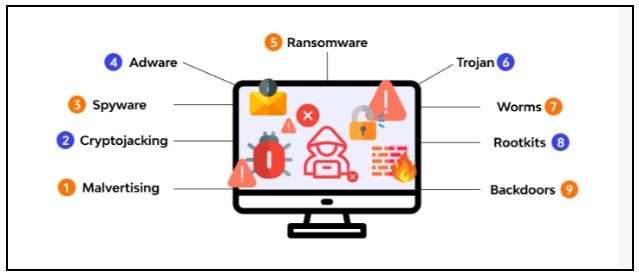
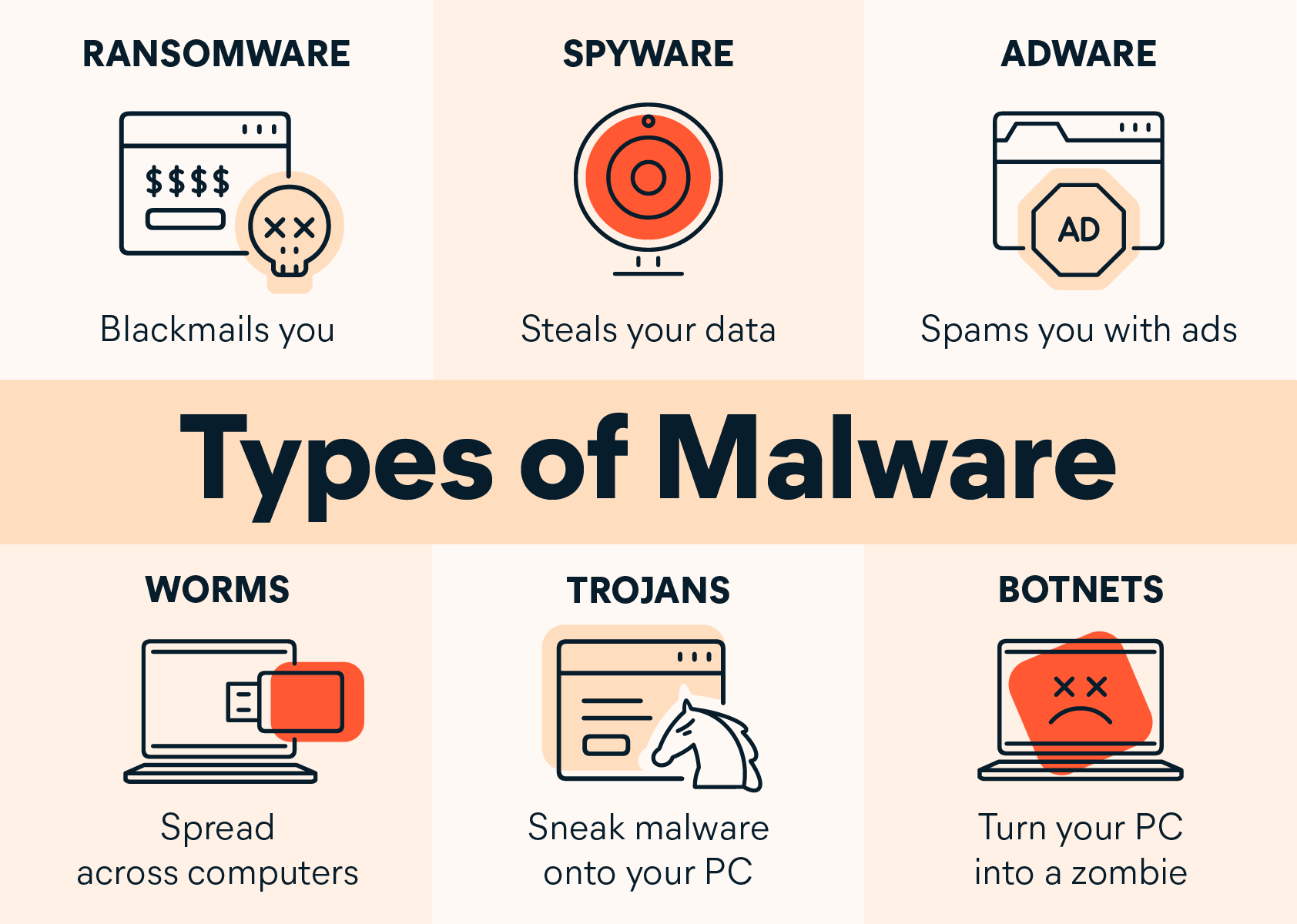
Malware, short for “malicious software,” is a broad term that encompasses various types of harmful software designed to damage, disrupt, or gain unauthorized access to systems and data. Malware includes viruses, worms, trojans, ransomware, spyware, and adware.

Types of Malware:

  1. Viruses:
    • Description: A type of malware that attaches itself to legitimate files or programs and spreads to other files and systems. It can corrupt, delete, or steal data.
    • Propagation: Typically spreads through infected email attachments, compromised websites, or shared files.
    • Impact: Can cause system crashes, data loss, and performance issues.
  2. Worms:
    • Description: Malware that replicates and spreads independently across networks without needing to attach to files. Worms exploit vulnerabilities in network protocols or software.
    • Propagation: Spreads through network connections, email, or malicious downloads.
    • Impact: Can cause widespread network congestion, system slowdowns, and data breaches.
  3. Trojans:
    • Description: Malware disguised as legitimate software or files to trick users into installing it. Once installed, it can perform various malicious activities.
    • Propagation: Often delivered through phishing emails or fake software downloads.
    • Impact: Can provide unauthorized access to systems, steal data, or facilitate further attacks.
  4. Spyware:
    • Description: Malware designed to secretly collect and transmit user data, such as browsing habits, keystrokes, or personal information.
    • Propagation: Installed through deceptive software or infected websites.
    • Impact: Compromises user privacy and can lead to identity theft.
  5. Adware:
    • Description: Software that displays unwanted ads or pop-ups, often bundled with legitimate programs. While not always harmful, it can be intrusive and affect system performance.
    • Propagation: Typically bundled with free software or downloaded from untrusted sources.
    • Impact: Can degrade user experience and system performance.

Best Practices for Protecting Against Malware:

  • Use Reliable Security Software: Install and maintain up-to-date antivirus and anti-malware programs.
  • Keep Software Updated: Regularly update operating systems and applications to patch vulnerabilities.
  • Avoid Suspicious Links: Be cautious with email attachments, links, and downloads from unknown sources.
  • Backup Data: Regularly backup important data to prevent loss in case of an infection.

2. Viruses

Overview:

A virus is a specific type of malware that attaches itself to legitimate files or programs and spreads to other files or systems when the infected file is executed. Viruses can cause a range of issues, from minor disruptions to severe data loss.

Characteristics of Viruses:

  • Replication: Viruses replicate by inserting copies of themselves into other files or programs.
  • Activation: A virus activates when the infected file or program is executed, triggering the malicious code.
  • Payload: The payload is the part of the virus responsible for causing harm, such as deleting files, corrupting data, or stealing information.

Types of Viruses:

  1. File Infector Viruses: Attach to executable files and spread when the infected file is run. Examples include CIH (Chernobyl) and Sasser.
  2. Macro Viruses: Infect documents with macros, such as Microsoft Office files, and spread through infected documents. Examples include Melissa and Concept.
  3. Polymorphic Viruses: Change their code to avoid detection by antivirus software. Examples include Storm Worm and Marburg.
  4. Metamorphic Viruses: Rewrite their own code each time they infect a new file to evade detection. Examples include ZMist and Simile.

Best Practices for Protecting Against Viruses:

  • Use Antivirus Software: Regularly scan files and programs with updated antivirus tools.
  • Be Cautious with Email: Avoid opening email attachments or links from unknown senders.
  • Enable File Extensions: View file extensions to identify potentially suspicious files.
  • Practice Safe Browsing: Avoid visiting untrusted websites or downloading files from unreliable sources.

3. Ransomware

Overview:

Ransomware is a type of malware that encrypts a victim’s files or locks their system, rendering it unusable until a ransom is paid to the attacker. Ransomware attacks can be devastating, leading to significant data loss and financial damage.

How Ransomware Works:

  1. Infection: Ransomware typically enters a system through phishing emails, malicious attachments, or exploit kits that target software vulnerabilities.
  2. Encryption: Once installed, ransomware encrypts files on the victim’s system using strong encryption algorithms, making them inaccessible without the decryption key.
  3. Ransom Demand: The attacker demands a ransom, usually in cryptocurrency, for the decryption key. Instructions for payment are often provided through a ransom note displayed on the victim’s screen.
  4. Decryption: If the ransom is paid, the attacker may provide the decryption key to restore access to the encrypted files. However, there is no guarantee that the attacker will honor the demand.

Notable Ransomware Examples:

  1. WannaCry: Spread rapidly in 2017, exploiting a vulnerability in Windows systems and affecting organizations worldwide.
  2. NotPetya: Targeted businesses in 2017 with destructive payloads, causing widespread disruption.
  3. Ryuk: Known for targeting high-profile organizations and demanding large ransoms.

Best Practices for Protecting Against Ransomware:

  • Regular Backups: Regularly backup important files and store backups offline or in a secure cloud service.
  • Update Systems: Apply security patches and updates to protect against known vulnerabilities.
  • Educate Users: Train users to recognize phishing attempts and avoid suspicious links or attachments.
  • Use Security Software: Employ comprehensive security solutions that include ransomware protection and real-time monitoring.

Conclusion

Malware, viruses, and ransomware pose significant threats to systems and data, each with distinct characteristics and methods of attack. Understanding these threats and implementing robust security measures are essential for protecting against malicious activities. By adopting best practices for malware protection, staying vigilant against viruses, and preparing for ransomware attacks, individuals and organizations can enhance their cybersecurity defenses and safeguard their digital assets.

Real-time operating systems (RTOS) have long been a cornerstone in applications where timing and reliability are paramount. As we move further into 2024, the role of RTOS is expanding, driven by advances in technology and increasing demands for precision and efficiency across various industries. This blog post explores the growing applications of RTOS, highlighting its significance and impact in today’s technological landscape.

1. The Basics of Real-Time Operating Systems

**1.1. What is an RTOS?

  • Definition: An RTOS is an operating system designed to process data and execute tasks within a strict time frame. Unlike general-purpose operating systems, RTOS prioritizes timely task execution and predictable behavior, making it ideal for time-sensitive applications.
  • Key Features: RTOS is characterized by its deterministic response times, minimal latency, and efficient resource management. It ensures that critical tasks are completed within specified deadlines, which is crucial for applications requiring high reliability.

**1.2. Types of RTOS

  • Hard Real-Time Systems: These systems guarantee that critical tasks will be completed within strict time constraints. They are used in applications where missing a deadline could result in catastrophic failure, such as in aerospace and medical devices.
  • Soft Real-Time Systems: Soft RTOS allows for occasional deadline misses but still prioritizes timely processing. These systems are used in applications where occasional delays are tolerable but performance is still critical, such as multimedia processing.

2. Expanding Applications of RTOS in 2024

**2.1. Industrial Automation and Robotics

  • Precision Control: RTOS is revolutionizing industrial automation by providing precise control over machinery and robotic systems. With real-time processing capabilities, RTOS ensures that industrial robots and automated systems perform tasks with high accuracy and minimal delay.
  • Predictive Maintenance: RTOS enables predictive maintenance by monitoring equipment performance in real time. It processes data from sensors and triggers maintenance actions before failures occur, reducing downtime and improving operational efficiency.

**2.2. Automotive Systems


Real-time operating systems 2024
  • Advanced Driver Assistance Systems (ADAS): RTOS plays a crucial role in ADAS, which includes features like adaptive cruise control, lane-keeping assistance, and collision avoidance. The ability of RTOS to process sensor data and execute control commands in real time enhances the safety and reliability of these systems.
  • In-Vehicle Infotainment: RTOS is also used in in-vehicle infotainment systems, managing multimedia content and user interfaces with low latency. This ensures smooth and responsive interactions for drivers and passengers.

**2.3. Healthcare and Medical Devices

  • Medical Monitoring: RTOS is used in medical monitoring systems that track vital signs and manage life-support equipment. Its real-time capabilities are essential for ensuring timely responses to critical health events and maintaining patient safety.
  • Surgical Robotics: In surgical robotics, RTOS provides precise control of robotic instruments during procedures. This enhances the accuracy of surgeries and improves patient outcomes by allowing for real-time adjustments and responses.

**2.4. Telecommunications and Networking

  • Network Management: RTOS is utilized in network management systems to handle high-speed data processing and traffic management. It ensures reliable and efficient operation of network equipment and supports real-time communication protocols.
  • 5G Infrastructure: With the deployment of 5G networks, RTOS is playing a role in managing network functions and ensuring low-latency communication. Its real-time processing capabilities support the demands of high-speed and high-bandwidth applications.

**2.5. Consumer Electronics

  • Smart Devices: RTOS is increasingly used in smart devices and IoT applications, providing the responsiveness required for real-time interactions and data processing. It enables devices such as smart thermostats, wearables, and home automation systems to operate efficiently.
  • Augmented and Virtual Reality: In AR and VR systems, RTOS ensures low-latency processing to deliver immersive experiences with minimal lag. This is critical for maintaining the quality and fluidity of virtual environments.

3. Benefits of Using RTOS

**3.1. Predictable Performance

  • Deterministic Response Times: RTOS provides deterministic response times, ensuring that tasks are executed within predictable time frames. This is essential for applications where timing is critical, such as in industrial control and medical devices.

**3.2. Enhanced Reliability

  • Robust Handling of Critical Tasks: RTOS is designed to handle critical tasks with high reliability. It minimizes system failures and ensures that important functions are completed even in the presence of other system activities.

**3.3. Efficient Resource Utilization

  • Optimized Resource Management: RTOS manages system resources efficiently, reducing overhead and ensuring that tasks receive the necessary resources to meet their deadlines. This leads to improved overall system performance and responsiveness.

4. Challenges and Considerations

**4.1. Complexity and Development Costs

  • Development Complexity: Developing applications for RTOS can be complex due to the need for precise timing and synchronization. This may require specialized knowledge and increased development effort.
  • Cost Considerations: The cost of implementing RTOS and associated hardware can be higher compared to general-purpose operating systems. Organizations must weigh these costs against the benefits of real-time performance.

**4.2. Integration with Existing Systems

  • Compatibility Issues: Integrating RTOS with existing systems and legacy applications can pose challenges. Ensuring compatibility and seamless interaction between different system components requires careful planning and testing.

Conclusion

In 2024, real-time operating systems are playing a pivotal role in a wide range of applications, from industrial automation and automotive systems to healthcare and consumer electronics. The growing demand for precision, reliability, and efficiency is driving the adoption of RTOS across diverse industries. While there are challenges associated with RTOS implementation, the benefits of predictable performance, enhanced reliability, and efficient resource utilization make it a valuable technology for time-sensitive applications. As technology continues to advance, the role of RTOS is expected to expand further, shaping the future of real-time computing.

Welcome to PCBSD.com

PCBSD.com is your trusted source for everything related to powerful, flexible, and secure computing. Whether you're customizing your system, writing code, exploring open-source development, or managing entire networks, this site is built to support your journey. We cover the full range of tech topics from everyday system tweaks to deep programming insights, all in clear, simple language.

What makes PCBSD.com different is our focus on both power and ease. You’ll find expert guidance on customizing and optimizing your system, improving speed, increasing security, and solving real problems. We also explore the backbone of your computer, the operating system, and how to shape it to fit your unique needs.

This site is for learners, tinkerers, developers, system admins, and anyone who wants to take control of their digital environment. Whether you’re just getting started or already deep in development, PCBSD.com helps you go further.

Let’s begin by exploring one of the most popular topics among users: Customization and Optimization.

Customization and Optimization

Every computer user wants a system that works just right. At PCBSD.com, we help you get there. Customization means making your computer look, feel, and behave exactly how you want. Optimization means making it run better, faster, smoother, and more efficiently. We believe both go hand in hand.

Some users want a clean and simple desktop. Others want detailed control panels and advanced launchers. With the right tools and tips, you can change everything — from window layouts to keyboard shortcuts. We show you how to personalize your user interface without slowing things down.

But it's not just about looks. We teach you how to optimize performance too. This includes managing memory, fine-tuning your CPU, adjusting power settings, and choosing the right software for your tasks. By understanding your system’s hardware and software, you can get more done with fewer delays.

We also explore lightweight applications that help speed up older systems. If your machine feels slow, there’s no need to replace it — sometimes, it just needs the right setup. Our guides walk you through cleaning up background processes, removing unused services, and choosing faster alternatives.

Customization can also improve focus and workflow. For example, a programmer might want a dark theme and a tiling window manager. A designer may prefer bright visuals and floating windows. We help each user find a layout and style that boosts productivity and reduces distractions.

Lastly, we talk about automation. With a few scripts or settings, your system can do routine tasks on its own. Want your desktop to load your favorite apps at startup? Need your files to back up daily? We will teach you how to. Customization and optimization aren’t just about comfort — they’re about control. If you're a technology enthusiast using PC-BSD, why not explore some online entertainment as well? After optimizing your system, you might want to try your luck with roulette en ligne en argent réel.

Development and Programming

At the heart of every powerful system is the ability to create. That’s why development and programming are a big part of PCBSD.com. Whether you're a beginner learning your first language or an expert writing complex applications, this section is designed to help you write better code and build smarter software.

We cover a wide range of languages — like Python, C++, JavaScript, and Bash — along with tools and environments that make development easier. You’ll learn how to set up your machine for coding, install the right packages, and create a workspace that supports your goals. Every step is explained clearly so you can follow along and build with confidence.

One major focus here is open-source development. PCBSD.com supports open-source software because it gives you freedom — freedom to read the code, change it, and share it. We explore how to contribute to open projects, use version control tools like Git, and collaborate with others across the world.

Our guides also dive into software building tools. We explain how compilers work, how to use build systems like CMake or Make, and how to debug code efficiently. If your program crashes or behaves oddly, we’ll help you fix it. Debugging is part of learning, and we make it easier to understand.

For those interested in scripting and automation, we provide hands-on examples. You’ll discover how to write shell scripts to handle tasks, how to use cron jobs to schedule work, and how to create simple command-line tools. Programming isn't just for apps — it's also for improving daily tasks on your computer. FreeBSD offers a versatile platform for a variety of experiences, and for those interested in casino-style gaming, resources like https://www.casinosophus.com/video-poker/ provide information on video poker strategy and gameplay.

We also focus on safe coding practices. We show how to protect your programs from bugs, security issues, and unexpected behavior. You'll learn the value of writing clean, well-documented code that others can read and improve.

With step-by-step tutorials, clear examples, and useful tips, PCBSD.com makes programming less scary and more fun. Whether you’re creating your first program or building a large system, this space is here to guide your growth.

Operating System

The operating system (OS) is the heart of your computer. It connects the hardware with the software and lets you run programs, save files, and control your machine. At PCBSD.com, we help you understand how your OS works and how you can make the most of it.

Many users never go beyond the basics of their operating system. But with the right guidance, you can unlock much more. With us you will get to learn more about OS features and how the system functions. This way, you are guaranteed that you can customize to your needs.

PCBSD.com pays special attention to BSD-based systems and Unix-like environments, which are known for being stable, secure, and flexible. If you’ve never used something outside of Windows or macOS, we help you take the first step. Our articles explain key OS concepts like the file system, system boot, kernel, processes, and user permissions in plain language.

You’ll also learn how to install and update your OS, manage user accounts, and explore the terminal. Command-line tools may seem hard at first, but they give you powerful control over your computer. We make it easy to learn commands that help you move through folders, install software, check system status, and more.

We also explain the different types of package managers. These tools let you download, install, and update programs easily. We compare options like pkg, apt, and others so you can choose what works best for your setup. No more guessing which version of a program to use — we guide you step-by-step.

System logs and monitoring tools are another important part of this section. We help you read logs, understand what they mean, and use them to fix problems. If your system crashes or slows down, logs often hold the answers. We teach you how to find and read them with confidence. After a day of exploring open-source software, why not unwind with some entertainment? You can discover the thrill of video poker with https://www.jokaroom.net/en/video-poker/ and experience the excitement of online gaming.

Understanding your operating system helps you do more — and do it better. Whether you’re setting up a desktop, managing a server, or just curious about how things work under the hood, our OS section gives you the tools to succeed.

Security and Privacy

In today’s digital world, protecting your computer and personal information is more important than ever. At PCBSD.com, we take security and privacy seriously, helping you keep your system safe from threats and your data private from prying eyes.

Security begins with understanding common risks. We explain how viruses, malware, phishing attacks, and hackers can affect your system. But more importantly, we teach you practical steps to protect yourself. This includes setting strong passwords, using firewalls, and keeping your software up to date.

Privacy is just as crucial. We show you how to control what information your computer shares with others, including apps and websites. You’ll learn about encryption tools that keep your data safe and about privacy-focused browsers that block tracking and ads.

Our guides cover how to configure your operating system for maximum security. From managing user permissions to enabling system-wide encryption, we provide easy-to-follow instructions that anyone can use. The smallest change can actually change a lot of things.

We also discuss advanced topics like secure shell (SSH) access, VPN use, and how to protect your network from outside threats. These tools add extra layers of protection, especially if you work remotely or use public Wi-Fi. For those who enjoy high-stakes activities, high roller casinos offer an extraordinary gambling experience. To explore top destinations, acepokies high roller casinos has all the information you need.

Regular backups are a key part of security. We explain how to create automatic backups so that your data is safe, even if your system fails or is attacked. Knowing you have a reliable backup brings peace of mind.

Finally, we keep you updated on the latest security news and vulnerabilities. The tech world changes fast, and PCBSD.com helps you stay informed so you can act before problems happen.

Security and privacy are not just features — they’re habits. We empower you with knowledge and tools to build those habits and keep your digital life safe every day.

System Management and Administration

Every computer needs a system management and administration. Whether you manage a personal machine or run a server, knowing how to maintain and control your system is key. At PCBSD.com, we make these skills simple to learn and easy to apply.

We begin with the basics — how to monitor your system’s health, check performance, and manage processes. You’ll learn how to use system tools to see which programs use the most memory or CPU, and how to stop processes that are slowing things down. Keeping your system running smoothly starts with understanding what’s happening behind the scenes.

Next, we explore user and group management. Creating user accounts, setting permissions, and controlling access are important for both home and professional setups. You have us to show you all the commands and settings of your computer. Storage is another big part of system management. We explain how to mount drives, create file systems, check disk usage, and clean up space. You'll also learn how to prevent data loss by checking disk health and organizing files properly.

Service and daemon management is also covered. Services are background programs that do important work like managing the network or running scheduled tasks. We show you how to start, stop, enable, or disable these services using tools like service and rc.conf on BSD systems.

We also include automation tips. Automating system updates, backups, and reports can save you time and prevent human error. You’ll learn how to write scripts and use tools like cron to schedule regular system tasks, making your setup more efficient.

Finally, we talk about system logs and troubleshooting. Logs are like a diary for your computer — they show what happened and when. We teach you how to read logs to fix problems, track changes, or even discover hidden issues before they become serious.

At PCBSD.com, our goal is to turn system management into a skill anyone can learn. With our help, you’ll feel more confident in controlling, maintaining, and improving your machine, whether it’s a personal PC or a powerful server.

Understanding Resource Allocation

Every operating system has a way of handling system resources like CPU time, memory, and disk space. Knowing how these are shared among users and processes helps you avoid slowdowns and crashes. PCBSD.com explains how your system decides which tasks get attention and how to adjust settings so high-priority jobs run smoothly without harming overall performance.

Process Management Tools

On Unix-like systems, process control is a big part of admin work. Tools like top, htop, ps, and kill help you monitor and manage tasks in real time. Here we go through everything and how it works.You’ll learn how to spot stuck processes and shut them down safely. This skill keeps your system fast and stable.

Package and Software Management

Software is always changing, and updates are often needed for features or security. PCBSD.com helps you use package managers like pkg, ports, or others to install, upgrade, and remove software. We also guide you on checking for dependencies and making sure updates don’t break your system. Keeping your software healthy means fewer bugs and more features.

Remote System Access

Sometimes you need to manage a system that’s not near you. Tools like SSH (Secure Shell) let you connect from anywhere and run commands like you’re sitting in front of the machine. We explain how to set up SSH, use secure keys, and avoid risks. With SSH, remote servers or headless machines become easy to control.

User Security Policies

Controlling who can access what is a big part of system safety. We explain how to set up user roles, enforce password rules, and limit admin powers. These small changes protect against accidents and intrusions. At PCBSD.com, we show you how to apply user policies that match your needs — from home setups to shared workspaces.

Backup Planning and Disaster Recovery

Losing data is every user’s nightmare. That’s why PCBSD.com stresses the need for regular backups. With our guidelines, you can choose between full incremental and differential backups. You’ll also learn how to automate them and test recovery steps. A strong backup plan means you can recover fast after crashes or hardware failures.

Scheduling Tasks with Cron

If you repeat certain tasks — like updates, cleanups, or backups — you can automate them using cron. You can make use of it to set schedules and run them. We explain how to write simple crontab entries and check if they run correctly. With the right setup, your system can take care of routine tasks while you focus on work.

Config File Best Practices

Every system has important configuration files that define how things work. Editing them lets you control services, behavior, and even startup processes. But mistakes here can cause big problems. We teach you how to edit safely, back up before changes, and understand key config files. You'll gain confidence working with .conf, .rc, and .ini files.

System Hardening Tips

Hardening means making your system tougher against attacks or failures. We show you how to turn off unused services, lock down ports, and use tools like pf (Packet Filter) for BSD firewalls. These small improvements add strong layers of defense without slowing you down. It’s all about smart changes with lasting impact. Beyond the digital world, many enjoy diverse forms of online entertainment. For those seeking strategic online games, consider exploring kiwi blackjack.

Monitoring Tools and Alerts

Finally, staying in control means watching your system over time. PCBSD.com explains tools like syslog, logwatch, and real-time monitors that send alerts when something goes wrong. You’ll learn how to set warning limits for disk space, CPU use, or login attempts. AS long as you have us guiding you. You are always alert. For other forms of excitement, you can immerse yourself in the elegance of baccarat and elevate your gaming experience by visiting CA CrazyVegas Online Baccarat for premium gameplay.

Final Thoughts

PCBSD.com is your trusted home for learning everything about system control, security, and performance. Whether you're just starting out or managing complex setups, this site gives you the tools and knowledge to grow with confidence.

From customizing your desktop to mastering programming and optimizing system performance, each section of the site brings value to both beginners and experienced users. We break down complex tasks into simple steps and explain the “why” behind every action. That way, you're not just following instructions — you're learning how your system truly works.

We also understand that today's tech users care deeply about safety and speed. That’s why our guides on privacy, security, and system administration are designed to help you build a strong, protected foundation. With the right setup, your system becomes easier to use, manage, and trust.

At PCBSD.com, we believe that every user can take control of their system. With the right guidance, even the most advanced features become easy to use. As the world of operating systems, development, and system tools keeps growing, we’ll be here, updating, explaining, and helping you stay ahead. When it comes to finding the best online casinos, it's essential to have reliable reviews. With new zealand casinos reviews, players can access detailed insights into the highest-rated casinos available.

Whether you visit to solve a problem, explore new skills, or improve your daily workflow, we’re glad you're here. Dive deeper into the site and let your system knowledge grow with each visit.

Welcome to a smarter, safer, and more powerful computing experience — only at PCBSD.com.