As technology continues to advance, operating systems (OS) are evolving to address new challenges and opportunities. The landscape of OS design and functionality is being reshaped by emerging trends that promise to drive innovation and enhance computing experiences. This blog post explores the key trends in operating systems for 2024 and beyond, highlighting the advancements that are set to define the future of computing.

1. AI-Driven OS Enhancements

**1.1. Smart Resource Management

  • Adaptive Performance: OSes are incorporating artificial intelligence (AI) to dynamically manage system resources based on real-time usage patterns. AI-driven optimization ensures efficient resource allocation, enhancing performance and reducing energy consumption.
  • Predictive Maintenance: AI algorithms predict potential system issues and perform maintenance tasks proactively. This minimizes downtime and maintains system reliability by addressing problems before they impact performance.

**1.2. Intelligent User Interfaces

  • Context-Aware Interfaces: AI technologies are enabling more intuitive and context-aware user interfaces. OSes can adapt to user preferences and behaviors, providing personalized experiences and streamlining interactions.
  • Voice and Gesture Control: Enhanced voice and gesture recognition systems are becoming integral to OS design, offering users more natural and hands-free ways to interact with their devices.
Operating Systems for 2024 and Beyond

2. Quantum Computing Integration

**2.1. Quantum-Ready Architectures

  • Quantum Algorithms: OSes are being developed with support for quantum computing, including quantum algorithms and cryptographic methods. This prepares systems for future quantum hardware and applications.
  • Hybrid Computing Models: Emerging OS architectures are designed to integrate classical and quantum computing resources, enabling hybrid models that leverage the strengths of both technologies.

**2.2. Advanced Security Protocols

  • Post-Quantum Cryptography: OSes are incorporating post-quantum cryptographic techniques to protect data from future quantum threats. These protocols ensure that sensitive information remains secure in a quantum computing era.

3. Cloud-Native and Edge Computing

**3.1. Seamless Cloud Integration

  • Cloud-Optimized OS: New OSes are designed to seamlessly integrate with cloud environments, offering features such as cloud-native applications, scalable resources, and unified management interfaces.
  • Elastic Resource Scaling: OSes support elastic scaling of resources based on cloud demand, ensuring optimal performance and cost-efficiency in dynamic computing environments.

**3.2. Edge Computing Advancements

  • Local Data Processing: OSes are evolving to support edge computing, where data is processed closer to the source to reduce latency and improve responsiveness. This trend is crucial for applications requiring real-time processing, such as IoT and autonomous systems.
  • Distributed OS Architectures: Emerging OS architectures are designed for distributed computing environments, enabling efficient management of resources across multiple edge devices and nodes.

4. Enhanced Security Features

**4.1. Zero Trust Security Models

  • Continuous Verification: OSes are adopting Zero Trust principles, which require continuous verification of users and devices regardless of their location. This approach ensures that only authorized entities can access system resources.
  • Micro-Segmentation: Advanced micro-segmentation techniques are used to divide networks into smaller, isolated segments, enhancing security by containing potential breaches and limiting lateral movement.

**4.2. Built-In Threat Detection

  • AI-Powered Threat Detection: OSes are integrating AI-driven threat detection systems that analyze patterns and anomalies to identify potential security threats in real-time. This proactive approach enhances the ability to detect and respond to emerging threats.
  • Automated Incident Response: Automated response mechanisms are being implemented to quickly address security incidents and mitigate their impact. This includes isolating affected systems, blocking malicious activities, and alerting administrators.

5. Sustainability and Energy Efficiency

**5.1. Green Computing Initiatives

  • Energy-Efficient Design: OSes are incorporating energy-efficient design principles to reduce power consumption and minimize the environmental impact of computing. This includes optimizing resource usage and supporting low-power hardware.
  • Sustainable Hardware Integration: OSes are designed to work seamlessly with sustainable and eco-friendly hardware, contributing to overall green computing efforts.

**5.2. Resource Optimization

  • Dynamic Power Management: Advanced power management features allow OSes to dynamically adjust power usage based on workload demands. This reduces energy consumption and extends the lifespan of hardware components.
  • Virtualization Efficiency: Enhanced virtualization technologies enable more efficient use of computing resources by consolidating workloads and optimizing resource allocation.

6. Customizable and Modular OS Designs

**6.1. Modular Architecture

  • Tailored Environments: Modular OS designs allow users to customize and tailor their computing environments by adding or removing components based on their needs. This flexibility enhances performance and efficiency.
  • Component-Based Updates: Modular OSes support component-based updates, allowing for targeted improvements and reducing the need for full system upgrades.

**6.2. User-Centric Customization

  • Personalized Features: OSes are offering more personalized features, allowing users to customize their interfaces, workflows, and system settings to match their preferences and enhance their productivity.
  • Adaptive Interfaces: User interfaces are becoming more adaptive, adjusting to individual user behaviors and preferences to provide a more intuitive and efficient computing experience.

Conclusion

As we move further into 2024 and beyond, operating systems are embracing a range of emerging trends that drive innovation and enhance performance. From AI-driven enhancements and quantum computing integration to cloud-native and edge computing advancements, these trends are shaping the future of OS design and functionality. By staying informed about these developments, organizations and individuals can leverage the latest technologies to optimize their computing environments and stay ahead in a rapidly evolving digital landscape.
Energy efficiency in operating systems (OS) is crucial for both environmental sustainability and device performance. Efficient energy use reduces the carbon footprint of devices, lowers electricity costs, and extends the battery life of mobile devices. As technology advances and the demand for portable and eco-friendly devices increases, the focus on energy efficiency in operating systems becomes more critical.

Energy Efficiency in Operating Systems

Windows: Power Management Features

Windows operating systems offer extensive power management features designed to optimize energy efficiency. Through settings like Power Saver, Balanced, and High Performance, users can customize how their devices consume energy. Windows also includes features like Sleep and Hibernate modes, which conserve power during inactivity. Recent updates to Windows 10 and 11 have further improved background app management and battery saver modes, contributing to overall energy efficiency.

macOS: Seamless Energy Optimization

macOS provides a seamless approach to energy efficiency with its built-in optimization features. The OS automatically adjusts power usage based on activity, ensuring that resources are allocated efficiently. macOS also includes features like App Nap and Power Nap, which minimize power consumption when apps are idle. Additionally, macOS offers detailed battery usage information, allowing users to monitor and manage their energy consumption effectively.

Linux: Customizable Energy Management

Linux operating systems, known for their flexibility, allow users to customize energy management extensively. Tools like TLP and Powertop enable advanced users to optimize power settings for their specific needs. Linux distributions often include various power-saving options and kernel parameters that can be adjusted to enhance energy efficiency. This level of customization makes Linux a powerful option for users looking to maximize their device’s energy efficiency.

Mobile Operating Systems: Android and iOS

Mobile operating systems like Android and iOS prioritize energy efficiency due to the reliance on battery power. Android offers features such as Adaptive Battery, which learns usage patterns to optimize power distribution. iOS includes Low Power Mode and background app refresh settings to conserve energy. Both operating systems continuously evolve to enhance battery performance and energy management, ensuring longer device usage between charges.

The Role of Hardware and Software Integration

Efficient energy management in operating systems often relies on the integration of hardware and software. Manufacturers design hardware components, such as processors and displays, to work harmoniously with the OS to optimize power usage. Features like dynamic frequency scaling and adaptive brightness adjust hardware performance based on activity, reducing unnecessary power consumption. This integration ensures that devices operate efficiently without compromising performance.

Energy Efficiency in Cloud Computing

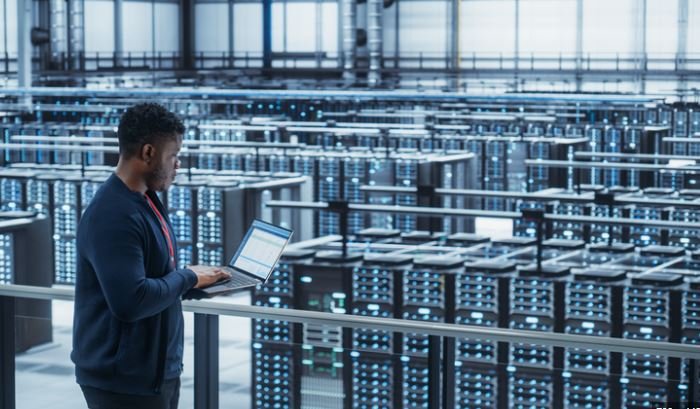
Operating systems in cloud computing environments also play a significant role in energy efficiency. Cloud service providers optimize their data centers to minimize power consumption while maintaining high performance. Virtualization and resource management techniques ensure that servers operate efficiently, reducing the overall energy footprint of cloud-based services. As more businesses adopt cloud computing, the emphasis on energy-efficient operating systems becomes increasingly important.

The Future of Energy Efficiency in OS

The future of power efficiency in operating systems looks promising, with ongoing advancements aimed at reducing power consumption further. Innovations such as AI-driven energy management and more efficient hardware components are expected to enhance OS energy efficiency. Researchers and developers continue to explore new ways to optimize energy use, ensuring that future operating systems will be even more eco-friendly and cost-effective.

Best Practices for Users

Users can adopt best practices to enhance the power efficiency of their devices. Regularly updating the operating system ensures that the latest energy-saving features are in use. Adjusting power settings, reducing screen brightness, and managing background processes can significantly reduce power consumption. Additionally, users should consider the energy impact of their software choices and opt for applications known for their efficiency.

Conclusion

Power efficiency in operating systems is essential for sustainable technology use and improved device performance. Windows, macOS, Linux, Android, and iOS each offer unique features and settings to optimize energy consumption. As technology continues to evolve, the integration of hardware and software, advancements in cloud computing, and user best practices will drive further improvements in energy efficiency. Understanding and utilizing these features can help users reduce their environmental impact and enjoy longer battery life and lower energy costs.

File system management is a crucial aspect of operating systems, responsible for organizing, storing, and retrieving data on storage devices. Different file systems offer various features and benefits, making them suitable for different use cases and environments. This article explores several prominent types of file systems, including NTFS, ext4, and HFS+, highlighting their characteristics, advantages, and typical applications.

File System Management

1. NTFS (New Technology File System)

Overview:

NTFS is a file system developed by Microsoft and introduced with Windows NT. It is the primary file system used in modern Windows operating systems, including Windows 10 and Windows 11.

Key Features:

  • File Permissions: NTFS supports advanced file permissions and access control lists (ACLs), allowing detailed management of user access and security settings for files and directories.
  • Journaling: NTFS includes journaling capabilities that track changes to the file system. This feature helps in recovering data and maintaining file system integrity after unexpected shutdowns or crashes.
  • Compression and Encryption: NTFS supports file compression and encryption, enabling users to reduce storage usage and secure sensitive data.
  • Large File Support: NTFS can handle very large files and volumes, making it suitable for modern applications and storage requirements.

Typical Applications:

NTFS is commonly used in Windows environments, including desktop and server systems. It is suitable for scenarios that require advanced security features, large volume support, and robust data recovery mechanisms.

2. ext4 (Fourth Extended File System)

Overview:

ext4 is a file system used in many Linux distributions, developed as an improvement over its predecessors, ext2 and ext3. It is known for its performance, reliability, and support for large file systems.

Key Features:

  • Journaling: Like NTFS, ext4 includes journaling to track changes and ensure file system integrity. This feature helps prevent data loss and speeds up recovery after system failures.
  • Extents: ext4 uses extents to improve file allocation efficiency. Extents are contiguous blocks of space that reduce fragmentation and enhance performance.
  • Large File Support: ext4 supports very large files and volumes, making it suitable for modern storage needs. It can handle file sizes up to 16 TiB and volumes up to 1 EiB.
  • Backward Compatibility: ext4 is backward compatible with ext3 and ext2, allowing for easy upgrades and migration of existing file systems.

Typical Applications:

ext4 is widely used in Linux-based systems, including desktop computers, servers, and embedded devices. It is favored for its balance of performance, reliability, and compatibility with older ext file systems.

3. HFS+ (Hierarchical File System Plus)

Overview:

HFS+ is a file system developed by Apple Inc. for macOS. It was introduced as an improvement over the original HFS (Hierarchical File System) and is used in macOS versions up to macOS High Sierra.

Key Features:

  • Journaling: HFS+ includes journaling to maintain file system consistency and recover from crashes or power failures.
  • Metadata Support: HFS+ supports extensive metadata for files and directories, including custom attributes and file permissions.
  • Case Sensitivity: HFS+ can be configured to be case-sensitive or case-insensitive, allowing users to choose the file naming convention that best suits their needs.
  • Compatibility: HFS+ is compatible with older Mac systems and provides support for features such as resource forks and Finder metadata.

Typical Applications:

HFS+ is used in macOS environments, including desktop computers and external drives formatted for use with Mac systems. It is suitable for users who need compatibility with older macOS versions and support for Mac-specific features.

4. Comparison and Considerations

Performance:

  • NTFS and ext4 offer high performance with advanced features, making them suitable for modern computing needs. NTFS is optimized for Windows, while ext4 is optimized for Linux.
  • HFS+ provides good performance for macOS systems but has been largely replaced by the newer APFS (Apple File System) in recent macOS versions.

Compatibility:

  • NTFS is primarily used in Windows environments, with limited compatibility in non-Windows systems. Third-party tools are available for reading and writing NTFS on Linux and macOS.
  • ext4 is predominantly used in Linux environments, with limited native support in Windows and macOS.
  • HFS+ is used in macOS, with limited compatibility in other operating systems. However, APFS has replaced HFS+ in recent macOS versions, offering improved performance and features.

Use Cases:

  • NTFS is ideal for Windows systems requiring advanced security, large file support, and robust data recovery.
  • ext4 is suitable for Linux systems needing performance, reliability, and support for large volumes.
  • HFS+ is used in older macOS systems and external drives formatted for compatibility with Mac computers.

Conclusion

File systems play a vital role in managing data storage and access within operating systems. NTFS, ext4, and HFS+ are three prominent file systems, each with unique features and advantages tailored to different environments and use cases. Understanding the characteristics of these file systems helps users and administrators choose the most suitable option for their needs, ensuring efficient and reliable data management.

Parental controls on your operating system are essential tools for ensuring the safety and appropriate use of computers and devices by children. They allow parents and guardians to manage and monitor their children’s online activities, restrict access to inappropriate content, and set usage limits. This guide will walk you through the process of setting up parental controls on various operating systems, providing you with the tools to create a safer digital environment for your family.

Understanding Parental Controls

Parental controls enable you to control and monitor what your children can access and do on their devices. They help in preventing exposure to unsuitable content and manage screen time effectively.

Parental Controls on Your Operating System

Setting Up Parental Controls on Windows

To configure parental controls on Windows, you can start by accessing the Family Safety settings. This feature allows you to create child accounts and manage their online activities.

  1. Accessing Family Safety Settings: Go to Settings, then Accounts, and select Family & Other Users. Here, you can add a child account and customize restrictions based on age and content type.
  2. Content Restrictions and Time Limits: After creating the child account, you can set specific content restrictions such as blocking mature websites, apps, and games. You can also manage screen time by setting limits on daily usage.
  3. Monitoring Activity: Windows provides tools to monitor your child’s activity. You can review weekly reports to see which websites they visited, apps they used, and how much time they spent on each.

Configuring Parental Controls on macOS

macOS offers robust parental control features through its Screen Time settings.

  1. Using Screen Time: Navigate to System Preferences, then click on Screen Time. From here, you can manage app usage limits, block inappropriate content, and set downtime schedules.
  2. Privacy and Content Restrictions: Within Screen Time, you have options to restrict access to specific websites, apps, and services. You can also manage privacy settings to prevent changes without your approval.

Setting Up Parental Controls on Android

Google Family Link is an excellent tool for managing parental controls on Android devices.

  1. Installing Google Family Link: Download and install the Google Family Link app on both your device and your child’s device. This app enables you to set digital ground rules and manage screen time remotely.
  2. App Management and Screen Time Limits: With Family Link, you can approve or block apps your child wants to download from the Google Play Store. You can also set daily screen time limits and remotely lock devices.

Configuring Parental Controls on iOS (iPhone/iPad)

iOS devices come with built-in Screen Time controls for managing your child’s device usage.

  1. Using Screen Time: Go to Settings, then tap on Screen Time. From here, you can set daily app limits, block inappropriate content, and schedule downtime for device usage.
  2. Content and Privacy Settings: Within Screen Time settings, you can adjust content and privacy restrictions to filter web content, restrict explicit content, and manage privacy settings effectively.

Conclusion

Configuring parental controls on your operating system is crucial for ensuring a safe and secure online environment for your children. Whether you use Windows, macOS, Android, or iOS, each platform offers tools to help you manage screen time, restrict access to inappropriate content, and monitor online activities. By setting up controls, you can promote responsible digital habits and protect your children from potential online risks.

Operating systems (OS) significantly influence gaming performance, dictating how games run and how hardware components communicate. Whether you’re using Windows, macOS, or Linux, the OS manages system resources, including CPU, GPU, and RAM, affecting game performance and user experience. Understanding these impacts can help gamers optimize their setups and choose the best OS for their needs.

The Impact of Operating Systems on Gaming Performance

Windows: The Gaming Powerhouse

Windows has long been the preferred choice for gamers due to its extensive support for a wide range of games and hardware. With DirectX, Windows offers a high-performance API specifically designed for gaming, ensuring smoother graphics and better overall performance. Most game developers prioritize Windows, resulting in better optimization and more frequent updates. This OS also supports a broad range of gaming peripherals and software, enhancing the overall gaming experience.

macOS: Aesthetic and Functional

While not traditionally associated with gaming, macOS has made significant strides in recent years. The Metal API, introduced by Apple, offers a performance boost for games and graphics-intensive applications. However, the game library for macOS is more limited compared to Windows. Despite this, macOS excels in providing a stable and visually appealing user experience. For gamers who prefer occasional gaming and value aesthetics and functionality, macOS can be a suitable choice.

Linux: The Open-Source Contender

Linux offers a unique experience for gamers, especially those who prefer open-source software. With tools like Steam Proton and Wine, Linux users can play many Windows games. While not all games are natively supported, the community-driven nature of Linux means continuous improvements and support for more titles. Linux also provides excellent performance optimization opportunities, allowing advanced users to tweak their systems for better gaming performance.

Influence of Drivers and APIs

Drivers and APIs play a crucial role in gaming performance. Windows benefits from extensive driver support from hardware manufacturers, ensuring optimal performance and compatibility. DirectX on Windows provides a robust framework for game development, enhancing performance. macOS uses Metal for improved graphics performance, while Linux relies on Vulkan and OpenGL. Each OS’s support for these drivers and APIs can significantly impact gaming performance.

Game Optimization and Compatibility

Game optimization varies across operating systems. Developers often optimize games for Windows first due to its dominant market share. This results in better performance and fewer bugs on Windows. macOS and Linux, while improving, still lag in game optimization and compatibility. However, popular games and major titles are increasingly becoming available on these platforms, thanks to advancements in compatibility tools and APIs.

System Resource Management

Effective management of system resources is essential for gaming. Windows provides extensive customization options for managing CPU and GPU resources, allowing gamers to prioritize gaming performance. macOS offers a streamlined experience with efficient resource management, though with fewer customization options. Linux, with its open-source nature, allows advanced users to fine-tune resource allocation, potentially leading to superior performance if configured correctly.

Impact on Hardware Performance

The operating system influences how well hardware components perform. Windows, with its broad driver support and optimization, maximizes hardware performance, especially with high-end gaming rigs. macOS, designed for Apple’s hardware, offers a seamless experience but may not fully utilize third-party gaming hardware. Linux, though requiring more setup, can deliver excellent performance with the right configurations, especially on gaming-optimized distributions.

Future Trends and Developments

The future of operating systems in gaming looks promising, with ongoing advancements aimed at improving performance and compatibility. Windows continues to evolve with enhancements in DirectX and game mode features. Apple is investing in gaming performance with macOS updates and the Metal API. Linux, driven by its community, is seeing continuous improvements in game support and performance optimization. These trends suggest a more competitive and diverse gaming landscape across all operating systems.

Conclusion

Operating systems play a critical role in gaming performance, influencing everything from game compatibility to hardware utilization. Windows remains the dominant platform for gamers, offering extensive support and optimization. macOS provides a stable and visually appealing experience, suitable for casual gamers. Linux, with its open-source nature, offers flexibility and performance optimization opportunities. Understanding the impact of each OS can help gamers make informed decisions and optimize their gaming setups for the best possible experience.

As technology continues to advance, operating system (OS) architectures are evolving to meet the demands of modern computing environments. In 2024, new OS architectures are significantly influencing system performance, optimizing efficiency, and enhancing user experiences. This blog post explores the impact of these innovative OS designs on performance and highlights key trends shaping the future of operating systems.

1. Modular OS Architectures

**1.1. Microkernel Design

  • Reduced Overhead: The microkernel architecture minimizes the core functions of the OS, moving many services to user space. This reduction in kernel complexity leads to lower overhead and improved system performance.
  • Enhanced Stability: By isolating critical functions from the kernel, microkernel designs enhance system stability and security. Faults or crashes in user-space services have less impact on the core OS, leading to more reliable performance.

**1.2. Modular Components

The Impact of New OS Architectures on Performance in 2024
  • Customizable Environments: Modern OSes are adopting modular designs that allow users to customize and optimize their environments by adding or removing components. This flexibility enables users to tailor the OS to their specific needs, improving performance by reducing unnecessary services.
  • Efficient Resource Management: Modular architectures enable efficient resource management by loading only the necessary components. This reduces resource consumption and enhances overall system performance.

2. High-Performance Computing (HPC) Optimizations

**2.1. Scalable Architectures

  • Parallel Processing: New OS architectures are designed to support parallel processing, allowing multiple tasks to be executed simultaneously. This scalability is crucial for high-performance computing environments, where large-scale data processing and complex calculations are common.
  • Optimized Scheduling: Advanced scheduling algorithms in HPC-oriented OSes ensure that computational resources are allocated efficiently, reducing latency and improving throughput.

**2.2. Low-Latency Performance

  • Real-Time Processing: OSes are incorporating real-time processing capabilities to handle time-sensitive tasks with minimal delay. This is essential for applications requiring low-latency performance, such as financial trading platforms and industrial control systems.
  • Enhanced I/O Performance: Innovations in I/O management and buffering techniques contribute to reduced latency and improved performance for data-intensive applications.

3. Cloud-Native and Distributed OS Architectures

**3.1. Containerization and Orchestration

  • Efficient Deployment: Cloud-native OS architectures support containerization and orchestration technologies, such as Docker and Kubernetes. These technologies enable efficient deployment, scaling, and management of applications in cloud environments, enhancing performance through optimized resource utilization.
  • Dynamic Scaling: Containerized environments allow for dynamic scaling based on workload demands, ensuring that resources are allocated effectively and performance remains consistent.

**3.2. Edge Computing Integration

  • Local Processing: Distributed OS architectures are designed to integrate with edge computing, where processing is performed closer to the data source. This reduces the need for data transfer to central servers, improving performance and reducing latency.
  • Decentralized Resources: By leveraging edge computing, OSes can distribute computational tasks across a network of devices, enhancing overall system performance and resilience.

4. Security-Driven Performance Enhancements

**4.1. Built-In Security Features

  • Performance Impact: New OS architectures are incorporating security features directly into the core design, such as hardware-based encryption and secure boot mechanisms. These features enhance security without significantly impacting performance.
  • Efficient Threat Management: OSes are optimizing security threat management processes to minimize performance overhead. This includes advanced threat detection algorithms that operate efficiently in the background.

**4.2. Isolation and Sandboxing

  • Protected Environments: Enhanced isolation and sandboxing techniques improve security by isolating applications and processes. This isolation helps prevent malicious activities from affecting system performance while maintaining a secure operating environment.
  • Resource Allocation: OSes are designed to manage resources effectively within isolated environments, ensuring that performance remains optimal even when running multiple sandboxed applications.

5. AI and Machine Learning Integration

**5.1. Adaptive Performance Tuning

  • AI-Driven Optimization: OS architectures are leveraging AI and machine learning to dynamically tune performance based on usage patterns and system conditions. This adaptive approach ensures optimal performance by adjusting resource allocation and system settings in real-time.
  • Predictive Maintenance: AI technologies are used to predict and address potential performance issues before they impact the system. Predictive maintenance helps maintain high performance and reliability by anticipating and mitigating problems.

**5.2. Enhanced User Experience

  • Smart Resource Management: AI-driven resource management enhances the user experience by prioritizing critical tasks and optimizing resource usage. This leads to smoother performance and faster response times for end-users.
  • Personalized Performance: Machine learning algorithms can personalize performance settings based on individual user preferences and behavior, providing a more tailored and efficient computing experience.

Conclusion

The impact of new OS architectures on performance in 2024 is profound, with innovations in modular design, HPC optimizations, cloud-native integration, security enhancements, and AI-driven features shaping the future of operating systems. These advancements contribute to improved efficiency, scalability, and user experience, addressing the demands of modern computing environments. As OS architectures continue to evolve, they will play a crucial role in enhancing system performance and meeting the needs of diverse applications and workloads.

Command-Line Interface (CLI)

A Command-Line Interface (CLI) is a text-based interface used for interacting with computer systems and software. Unlike graphical user interfaces (GUIs) that rely on visual elements, CLIs allow users to input commands via a terminal or console to execute tasks and manage system resources. This article explores the key features, advantages, and uses of CLIs, highlighting their role in computing and their impact on user productivity.

Command-Line Interface (CLI)

1. Key Features of CLI

Text-Based Input:

In a CLI, users interact with the system by typing commands into a terminal or command prompt. Commands are usually composed of keywords, options, and arguments that specify the action to be performed and any parameters required.

Command Syntax:

CLI commands follow a specific syntax that must be adhered to for the system to interpret and execute them correctly. This syntax typically includes the command itself, followed by options (or flags) and arguments that provide additional instructions or data.

Output Display:

After executing a command, the CLI displays output in text form, which can include results, status messages, or error notifications. The output is shown directly in the terminal, providing immediate feedback on the command’s execution.

Scripting and Automation:

CLIs support scripting, which allows users to write and execute sequences of commands automatically. Scripting languages, such as Bash, PowerShell, or Python, enable users to automate repetitive tasks, perform batch processing, and create complex workflows.

Environment Variables:

CLI environments often use environment variables to store configuration settings and system information. Users can define and modify these variables to customize the behavior of commands and applications.

Command History:

Most CLIs maintain a history of previously entered commands, allowing users to recall and reuse past commands. This feature enhances productivity by reducing the need to retype commands and facilitating quick adjustments.

2. Advantages of CLI

Efficiency:

CLIs are highly efficient for experienced users who are familiar with command syntax and options. Commands can be executed quickly, and users can perform complex tasks with a single line of input, reducing the time required for operations compared to GUIs.

Powerful and Flexible:

CLIs offer powerful and flexible control over system operations. Advanced users can access a wide range of system functions, customize commands, and chain multiple commands together to perform sophisticated tasks.

Resource Usage:

CLI environments consume fewer system resources compared to GUIs. Since CLIs do not require graphical rendering, they are ideal for low-resource systems, remote access, and environments where performance is a priority.

Remote Management:

CLI is commonly used for remote system management through tools like SSH (Secure Shell). It allows administrators to manage and configure servers and devices remotely, making it a valuable tool for system administration and troubleshooting.

Learning and Documentation:

Using a CLI encourages users to learn and understand the underlying commands and system functions. Comprehensive documentation, including man pages (manual pages) and help commands, provides detailed information on command usage and options.

3. Common Uses of CLI

System Administration:

CLI is extensively used in system administration for managing operating systems, configuring hardware, and performing maintenance tasks. Administrators use CLI commands to manage user accounts, monitor system performance, and configure network settings.

Development and Programming:

Developers and programmers use CLI tools for coding, compiling, and debugging software. CLI-based development environments, build systems, and version control systems (e.g., Git) provide powerful capabilities for managing code and development workflows.

Data Processing:

CLI is often used for data processing tasks, such as manipulating files, extracting information, and transforming data. Command-line tools like grep, awk, and sed are commonly used for text processing and data analysis.

Networking:

Network administrators use CLI commands to configure and troubleshoot network settings, manage network interfaces, and monitor network traffic. Tools like ping, traceroute, and netstat provide valuable insights into network performance and connectivity.

Automation and Scripting:

CLI scripting allows users to automate repetitive tasks and create custom workflows. Scripts can be used to perform batch operations, schedule tasks, and integrate various tools and services, enhancing productivity and efficiency.

4. Evolution of CLI

Early Interfaces:

The concept of command-line interfaces dates back to the early days of computing, with systems like Unix providing text-based interfaces for user interaction. Early command-line environments were basic but provided powerful control over system operations.

Modern CLI Environments:

Over time, CLI environments have evolved to include more advanced features, such as improved scripting languages, enhanced command-line editors, and support for modern development tools. Modern CLIs offer a range of utilities and options for efficient system management and programming.

Integration with GUIs:

Many operating systems and applications now integrate CLI functionality with GUIs, allowing users to switch between text-based and graphical interfaces as needed. This hybrid approach provides the flexibility to use the most suitable interface for different tasks.

Conclusion

The Command-Line Interface (CLI) remains a fundamental tool in computing, offering a powerful and efficient way to interact with systems and software. With its text-based input, scripting capabilities, and flexibility, the CLI is an essential component for system administration, development, data processing, and automation. Despite the rise of graphical user interfaces, CLIs continue to play a crucial role in modern computing environments, providing users with direct and efficient control over their systems.

A Graphical User Interface (GUI) is a type of user interface that allows users to interact with a computer system through graphical elements such as windows, icons, buttons, and menus. Unlike command-line interfaces, which rely on text-based commands, GUIs provide a visual and intuitive way for users to control and manage their computer systems. This article explores the key components, advantages, and evolution of GUIs, highlighting their significance in modern computing.

Graphical User Interface (GUI)

1. Key Components of GUI

Windows:

Windows are rectangular areas on the screen that display the content of applications and allow users to interact with multiple programs simultaneously. Each window typically includes a title bar, borders, and buttons for minimizing, maximizing, or closing the window. Users can resize, move, and organize windows to suit their needs.

Icons:

Icons are small graphical representations of files, applications, and system functions. They provide a visual shorthand for users to access and manage resources. Icons are often displayed on the desktop or within application windows, allowing users to quickly locate and open files or programs.

Buttons:

Buttons are clickable elements that perform specific actions when activated. They are commonly used in dialogs, toolbars, and forms. Buttons may include text labels, icons, or both, and are designed to trigger commands such as saving a file, opening a menu, or executing a function.

Menus:

Menus are lists of options or commands that users can select from. They are typically accessed through a menu bar or context menu and provide a way to navigate through various functions and settings. Menus may include drop-down, pop-up, or contextual options, allowing users to choose commands and settings relevant to their current task.

Toolbars:

Toolbars are collections of buttons or icons that provide quick access to commonly used commands and functions. They are usually located at the top or side of an application window and offer shortcuts for tasks such as formatting text, saving files, or navigating through documents.

Dialog Boxes:

Dialog boxes are small windows that prompt users for input or provide information. They are used to request specific actions, such as entering data, confirming choices, or displaying messages. Dialog boxes often include input fields, buttons, and other controls for user interaction.

Scroll Bars:

Scroll bars are graphical elements that allow users to navigate through content that extends beyond the visible area of a window. They typically include horizontal and vertical scroll bars that enable users to move the viewable area and access additional content.

2. Advantages of GUI

User-Friendly:

GUIs are designed to be user-friendly, providing a visual and intuitive way for users to interact with computer systems. The use of graphical elements, such as icons and buttons, simplifies complex tasks and makes it easier for users to understand and operate software.

Visual Feedback:

GUIs offer visual feedback, such as highlighting selected items or displaying progress indicators, which helps users understand the current state of the system and their actions. This immediate feedback improves the overall user experience and reduces the likelihood of errors.

Multitasking:

GUIs support multitasking by allowing users to manage multiple windows and applications simultaneously. Users can switch between different tasks, compare documents, and perform various activities without the need for complex command-line operations.

Accessibility:

GUIs improve accessibility by providing visual and interactive elements that can be customized to meet individual needs. Features such as screen readers, magnifiers, and high-contrast modes make GUIs more accessible to users with disabilities.

Ease of Learning:

GUIs are generally easier to learn compared to command-line interfaces. The visual representation of functions and actions helps users quickly grasp how to use software and perform tasks without needing to memorize commands or syntax.

3. Evolution of GUI

Early GUIs:

The concept of GUIs dates back to the 1960s with the development of early graphical systems such as the Xerox Alto, which introduced the use of windows, icons, and a mouse for interaction. This pioneering work laid the foundation for modern GUIs.

Personal Computers:

In the 1980s, GUIs became widely popular with the advent of personal computers. Apple’s Macintosh, released in 1984, was one of the first commercially successful systems to use a GUI, followed by Microsoft Windows, which brought GUI-based computing to a broader audience.

Modern GUIs:

Today, GUIs have evolved to include advanced features such as touch interfaces, gesture controls, and high-resolution displays. Modern operating systems and applications incorporate sophisticated graphical elements and user interactions, enhancing usability and providing a rich user experience.

Web and Mobile GUIs:

The rise of the internet and mobile devices has led to the development of web and mobile GUIs. Web-based applications use browser-based interfaces, while mobile devices utilize touch-based GUIs optimized for small screens and touch input.

Conclusion

The Graphical User Interface (GUI) has revolutionized the way users interact with computer systems by providing a visual and intuitive approach to software management. Through key components such as windows, icons, buttons, and menus, GUIs enhance user experience by making complex tasks more accessible and manageable. The evolution of GUIs has led to more sophisticated and user-friendly interfaces, contributing to the widespread adoption of personal computers, web applications, and mobile devices. As technology continues to advance, GUIs will remain a critical aspect of user interaction, shaping the future of computing.

In today’s digital age, selecting the right operating system for multimedia creation Operating Systems for Multimedia Creation is crucial for professionals and enthusiasts alike. Each operating system offers unique features and tools that cater to different aspects of multimedia production. This guide explores some of the best operating systems for multimedia creation, highlighting their strengths and suitability for various creative tasks.

Windows 10

Windows 10 remains a popular choice among multimedia creators due to its widespread compatibility with a vast array of software and hardware. Operating Systems for Multimedia Creation It supports industry-standard applications like Adobe Creative Suite, allowing users to edit videos, create animations, and design graphics with ease. The robust driver support for graphics cards and peripherals ensures smooth performance even during resource-intensive tasks.

Operating Systems for Multimedia Creation

macOS

macOS is renowned for its intuitive user interface and seamless integration with Apple’s hardware ecosystem. Operating Systems for Multimedia Creation It comes pre-loaded with powerful multimedia tools such as Final Cut Pro for video editing, Logic Pro for audio production, and GarageBand for music composition. macOS’s stability and efficiency make it a preferred choice for professional multimedia projects.

Linux (Ubuntu Studio)

Ubuntu Studio is a specialized Linux distribution tailored specifically for multimedia professionals. Operating Systems for Multimedia Creation It includes a comprehensive suite of open-source software for video editing (e.g., Kdenlive), audio production (e.g., Ardour), and graphic design (e.g., GIMP). Linux’s customization options and robust performance make it ideal for users who prefer open-source solutions and desire extensive control over their multimedia workflows.

Chrome OS (Chromebooks)

Chrome OS, primarily known for its simplicity and cloud-based functionality, has also ventured into multimedia creation capabilities. Operating Systems for Multimedia Creation With support for Android apps and web-based tools, Chromebooks are suitable for basic photo editing, video streaming, and music composition tasks. They offer portability and affordability, making them accessible for users who prioritize mobility and online collaboration.

Benefits of Using Operating Systems for Multimedia Creation

  1. Versatility: Each operating system offers a unique set of tools and applications tailored to multimedia creation, catering to diverse creative needs.
  2. Performance: Optimized performance ensures the smooth operation of multimedia applications, enhancing productivity and creativity.
  3. Compatibility: Extensive compatibility with multimedia software and hardware peripherals allows seamless integration and efficient workflow management.
  4. User Interface: Intuitive interfaces facilitate ease of use and navigation, reducing learning curves and enhancing user experience.

Considerations When Choosing an Operating System for Multimedia Creation

  • Software Requirements: Ensure that the operating system supports the multimedia editing software essential for your projects.
  • Hardware Compatibility: Verify that the hardware specifications meet the demands of multimedia applications, such as processor speed, RAM, and graphics capabilities.
  • Workflow Preferences: Choose an operating system that aligns with your workflow preferences, whether it’s based on familiarity, performance, or specific creative tools.

Conclusion

In conclusion, selecting the best operating system Operating Systems for Multimedia Creation for multimedia creation depends on your specific requirements and preferences. Whether you prioritize robust performance, intuitive design interfaces, or extensive software compatibility, each operating system offers distinct advantages tailored to enhance your creative endeavours. Evaluate your needs carefully to make an informed decision that optimizes your multimedia production workflow.

As cyber threats become increasingly sophisticated, operating systems (OS) are evolving to incorporate cutting-edge security features designed to protect users from emerging threats. In 2024, several key advancements are shaping the security landscape of modern OSes. This blog post explores the latest security innovations and how they enhance the protection of operating systems.

1. Enhanced Threat Detection and Response

**1.1. AI-Powered Threat Detection

  • Behavioral Analysis: Operating systems are integrating AI-powered threat detection that utilizes behavioral analysis to identify and respond to unusual activities. Machine learning algorithms analyze patterns and anomalies to detect potential threats in real-time.
  • Predictive Analytics: AI technologies are employed to predict potential security breaches based on historical data and emerging threat patterns, enabling proactive measures to prevent attacks.

**1.2. Automated Incident Response

  • Real-Time Response: OSes are adopting automated incident response systems that can take immediate action when a threat is detected. This includes isolating affected systems, blocking malicious processes, and notifying administrators.
  • Adaptive Security Policies: Automated systems adjust security policies dynamically based on detected threats, ensuring that the OS responds effectively to evolving attack vectors.

2. Advanced Data Protection Mechanisms

**2.1. Encryption Innovations

  • End-to-End Encryption: OSes are enhancing data protection with end-to-end encryption, ensuring that data remains secure during transmission and storage. This feature prevents unauthorized access by encrypting data from the point of origin to its destination.
  • Hardware-Based Encryption: Integration with hardware-based encryption technologies, such as Trusted Platform Modules (TPMs) and Hardware Security Modules (HSMs), provides additional layers of protection for sensitive data.

**2.2. Data Loss Prevention (DLP)

  • Content Inspection: Modern OSes incorporate DLP technologies that inspect and classify data based on its sensitivity. This helps prevent unauthorized access and accidental data leakage by monitoring and controlling data movement.
  • Policy Enforcement: DLP features enforce security policies by restricting the transfer of sensitive information through various channels, including email, cloud storage, and removable devices.

3. Enhanced Authentication and Access Control

**3.1. Biometric Authentication

  • Multi-Factor Authentication (MFA): OSes are integrating advanced biometric authentication methods, such as fingerprint scanners, facial recognition, and iris scans, to enhance user authentication. MFA provides an additional layer of security by combining biometric data with traditional credentials.
  • Adaptive Authentication: Adaptive authentication adjusts security measures based on the context of the login attempt, such as the user’s location or device. This helps prevent unauthorized access from unusual or risky environments.

**3.2. Zero Trust Architecture

  • Granular Access Control: OSes are adopting Zero Trust principles, which require continuous verification of users and devices regardless of their location. This approach enforces strict access controls and minimizes the risk of internal and external threats.
  • Micro-Segmentation: Zero Trust architecture includes micro-segmentation techniques that divide networks into smaller segments, limiting the lateral movement of threats and containing potential breaches.
2024 OS security features

4. Secure Software Development Practices

**4.1. Secure Coding Standards

  • Code Review and Analysis: OS developers are adopting secure coding practices and conducting thorough code reviews to identify and fix vulnerabilities during the development phase. This reduces the risk of introducing security flaws into the OS.
  • Automated Security Testing: Integration with automated security testing tools helps detect vulnerabilities and security issues in real-time, ensuring that the OS remains resilient against potential exploits.

**4.2. Patch Management

  • Timely Updates: OSes are focusing on timely patch management to address known vulnerabilities. Automated patch deployment systems ensure that security updates are applied promptly, reducing the window of opportunity for attackers.
  • Vulnerability Assessment: Continuous vulnerability assessment tools are employed to identify and prioritize security weaknesses, enabling targeted patching and remediation efforts.

5. Resilience Against Emerging Threats

**5.1. Threat Intelligence Integration

  • Global Threat Databases: OSes are leveraging threat intelligence feeds and global databases to stay informed about emerging threats and attack trends. This information is used to enhance security defenses and update threat detection mechanisms.
  • Collaborative Defense: Integration with threat intelligence networks enables collaborative defense efforts, where OSes share information about threats and vulnerabilities to improve collective security.

**5.2. Adaptive Security Frameworks

  • Self-Healing Systems: Modern OSes incorporate self-healing capabilities that automatically detect and repair compromised components or configurations. This helps maintain system integrity and minimize downtime in the event of an attack.
  • Resilient Architectures: OSes are designed with resilient architectures that can withstand and recover from attacks, ensuring continuous availability and operational stability.

Conclusion

In 2024, operating systems are at the forefront of cybersecurity innovation, incorporating advanced threat detection, data protection, authentication, and resilience features. By leveraging AI, encryption technologies, Zero Trust principles, and secure development practices, modern OSes are enhancing their defenses against evolving cyber threats. Staying informed about these cutting-edge security features can help organizations and individuals protect their systems and data more effectively.