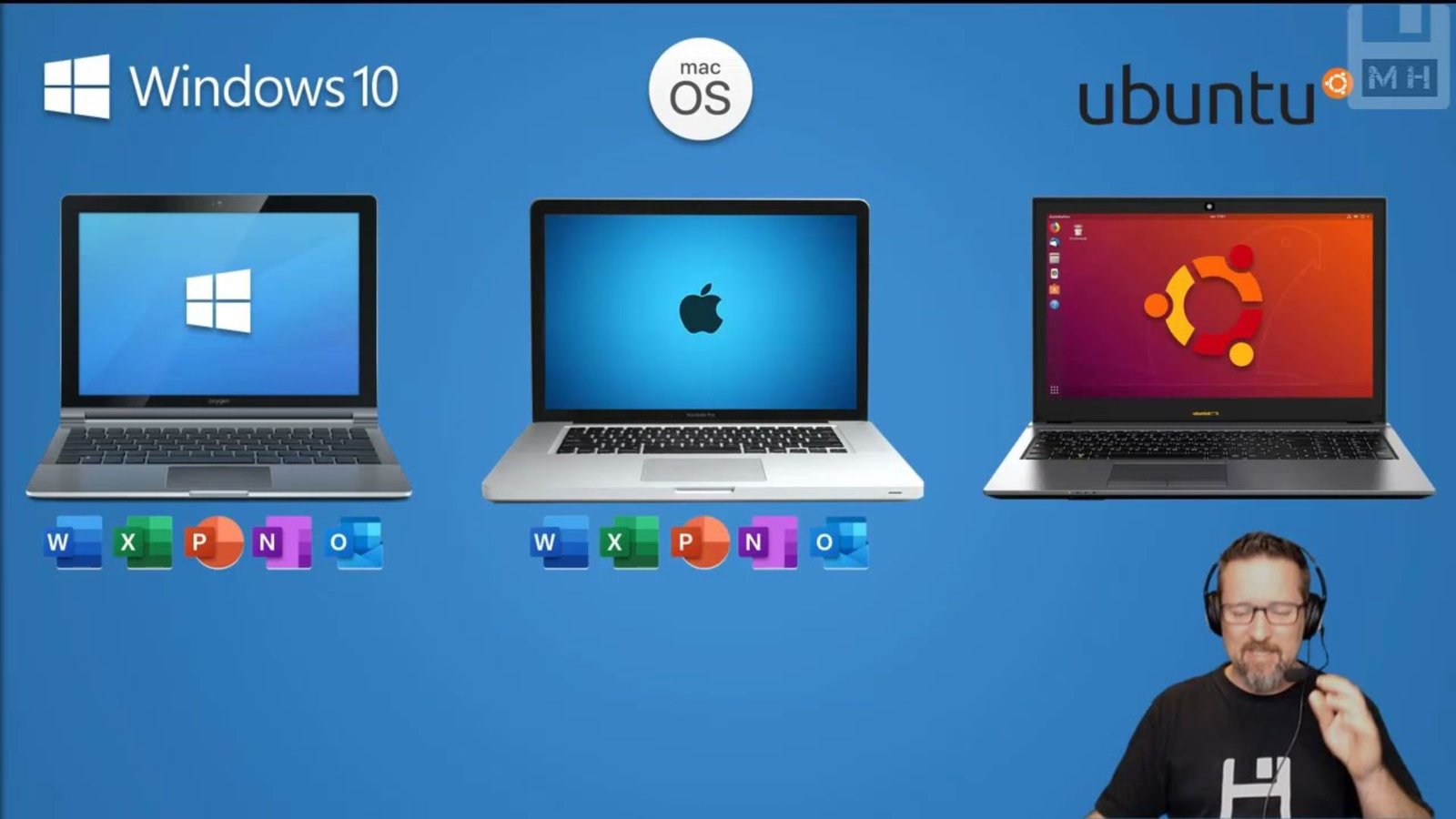
Operating systems (OS) play a crucial role in the functioning of modern robotics. They manage hardware resources, provide essential services, and facilitate complex computations needed for robots to perform various tasks. In robotics, the choice of operating system can significantly impact the performance and capabilities of the robot. Let’s delve into how operating systems are used in robotics and their pivotal role in advancing robotic technologies.

How Operating Systems Are Used in Robotics.

Real-Time Capabilities

Firstly, an operating system in robotics provides the necessary software framework for running applications and controlling hardware. For instance, real-time operating systems (RTOS) are specifically designed to handle tasks with stringent timing constraints. This capability is vital for robots performing tasks that require precise control, such as manufacturing assembly lines or autonomous vehicles. By managing tasks with guaranteed timing and resource allocation, RTOS ensures that robots operate reliably and efficiently.

Multitasking and Resource Management

Additionally, operating systems enable multitasking and resource management, which are fundamental for robotics applications. Robots often need to perform multiple tasks simultaneously, such as processing sensor data, executing control algorithms, and interacting with users. A well-designed OS allows these tasks to run concurrently without interference. This multitasking capability is essential for robots that perform complex operations, such as drones that need to navigate, capture video, and process real-time data all at once.

Hardware Integration

Moreover, operating systems provide a platform for integrating and managing various hardware components. Robotics often involves a variety of sensors, actuators, and communication devices. The OS abstracts the hardware complexity and provides drivers and middleware to interact with these components. For example, the Robot Operating System (ROS) is a popular framework that offers libraries and tools for managing hardware interfaces, making it easier to develop and deploy robotic systems.

Communication and Coordination

Furthermore, an operating system facilitates communication and coordination between different software modules. In robotics, various components and algorithms need to work together seamlessly. The OS provides inter-process communication mechanisms, such as message passing or shared memory, to enable these components to exchange data and synchronize their actions. This coordination is crucial for ensuring that different parts of the robot work harmoniously, enhancing overall performance and functionality.

Security Measures

In addition, security is another critical aspect managed by operating systems in robotics. As robots become more connected and interact with networks, ensuring their security against potential threats is essential. Operating systems offer security features such as access control, encryption, and secure communication protocols. These features help protect robots from unauthorized access and cyber-attacks, ensuring safe and reliable operation in various environments.

Scalability and Flexibility

Also, the choice of operating system can influence the scalability and flexibility of robotic systems. For instance, Linux-based operating systems, like Ubuntu or Fedora, offer robust support for a wide range of applications and hardware. They provide a flexible environment for developing and deploying robotics applications, with extensive community support and a vast repository of software packages. This flexibility allows developers to tailor the OS to meet specific needs and scale their robotic systems as required.

Development and Debugging Tools

Moreover, the development and debugging of robotic systems are greatly facilitated by the tools provided by the operating system. Many OS platforms offer integrated development environments (IDEs) and debugging tools that streamline the development process. These tools help developers test and refine their robotic applications, ensuring they perform as expected before deployment. This support accelerates the development cycle and improves the reliability of robotic systems.

Conclusion

In conclusion, operating systems are indispensable in the realm of robotics, providing essential services such as multitasking, hardware management, and security. They enable the integration of diverse hardware components, facilitate communication between software modules, and support the development and deployment of robotic applications. As robotics technology continues to advance, the role of operating systems will remain crucial in enhancing the capabilities and performance of robots, paving the way for more sophisticated and reliable robotic solutions.

macOS continues to evolve, bringing new features and enhancements with each release. Apple’s macOS updates aim to improve user experience, performance, and integration with its ecosystem. With the release of macOS Sonoma, the latest iteration of Apple’s operating system, users can expect a range of exciting new features and improvements. Here’s a look at what’s new in macOS and how these updates enhance the Mac experience.

What’s New in macOS
What’s New in macOS

1. Enhanced Widgets and Customization

macOS Sonoma introduces significant upgrades to widgets, allowing for greater customization and functionality. Users can now place widgets directly on the desktop, creating a more personalized workspace. These widgets come with improved interactivity, enabling users to perform actions or view information without opening the corresponding app. The new widget stack feature allows for dynamic updates and better organization of widgets, making it easier to access essential information at a glance.

2. Improved Continuity and Integration

Apple continues to enhance its Continuity features, which facilitate seamless integration between macOS and other Apple devices. macOS Sonoma introduces new Continuity features that make it easier to transition between devices. For instance, the new Continuity Camera feature allows users to use their iPhone as a webcam, providing high-quality video for video calls and meetings. Additionally, Universal Control enhancements allow for smoother interaction between a Mac, iPad, and even another Mac, enabling users to control multiple devices with a single mouse and keyboard.

3. Refined System Performance and Efficiency

Performance improvements are a cornerstone of macOS updates, and Sonoma is no exception. The latest macOS version includes optimizations for faster app launches, better responsiveness, and improved battery life. Apple has focused on refining the system’s core architecture to enhance overall efficiency and ensure a smoother user experience. These updates are particularly beneficial for users with older hardware, as they help extend the life of their devices by improving performance and reducing resource consumption.

4. Enhanced Security and Privacy

Security and privacy remain top priorities in macOS Sonoma, with several new features designed to protect user data and ensure a secure computing environment. The update includes enhanced privacy controls that give users more granular control over app permissions and data access. New security features include improved encryption for file storage and enhanced protection against phishing attacks. Additionally, macOS Sonoma introduces a revamped Security & Privacy pane in System Settings, providing users with a more intuitive interface for managing their security preferences.

5. Revamped Safari Browser

Safari continues to evolve with macOS Sonoma, bringing a range of new features and improvements to Apple’s web browser. The latest update includes enhancements to Safari’s performance, such as faster page loading times and improved support for modern web standards. Safari’s new tab management features allow for better organization and multitasking, including the ability to group tabs and easily switch between them. The update also includes improvements to privacy features, such as enhanced tracking prevention and improved password management.

6. New Features for Creative Professionals

macOS Sonoma introduces new tools and features tailored for creative professionals. The updated Photos app includes advanced editing tools and AI-driven features that simplify photo and video editing tasks. Users can now benefit from improved color correction, enhanced image recognition, and new creative effects. The update also brings enhancements to video conferencing, with improved support for high-resolution video and new collaboration features for working on creative projects.

7. Customizable Control Center

The Control Center in macOS Sonoma receives a makeover, with new customization options that allow users to tailor their Control Center experience. Users can now add or remove items, rearrange controls, and create a personalized layout that fits their workflow. These improvements make it easier to access frequently used settings and tools, streamlining the user experience and increasing productivity.

8. Upgraded Finder Features

Finder, the file management tool in macOS, gets several updates in Sonoma. New features include enhanced search capabilities, with improved indexing and search results that make it easier to find files and documents. Finder also introduces new organizational tools, such as improved tagging and grouping options, which help users manage their files more efficiently.

9. Support for New Hardware

macOS Sonoma expands support for new Apple hardware, including the latest Mac models and accessories. The update includes optimizations for Apple’s newest processors, ensuring compatibility and performance improvements for users with the latest hardware. Additionally, macOS Sonoma introduces support for new peripherals and accessories, enhancing the overall versatility of the Mac ecosystem.

10. Improved Accessibility Features

macOS Sonoma continues Apple’s commitment to accessibility with several new features designed to make the Mac experience more inclusive. The update includes enhancements to VoiceOver, improved support for assistive devices, and new accessibility options in System Settings. These features help ensure that all users can effectively interact with their Mac and access its full range of capabilities.

Conclusion

macOS Sonoma brings a host of new features and improvements that enhance the Mac experience. From customizable widgets and refined performance to advanced security and new creative tools, the latest macOS update offers something for every user. Whether you’re a creative professional, a power user, or someone looking for a more efficient and secure computing environment, macOS Sonoma provides valuable enhancements to meet your needs.

In today’s digital age, secure online browsing is essential. Choosing the right operating system can greatly enhance your online security. In this article, we’ll discuss the top operating systems for secure online browsing, ensuring your data and privacy are protected.

Why Secure Online Browsing Matters

Secure online browsing is crucial to protect your personal information from cyber threats. Using the right operating system can help safeguard your data against malware, phishing attacks, and other online risks.

Operating Systems for Secure Online Browsing

Linux

Linux is renowned for its security features, making it a top choice for secure online browsing. With its open-source nature, Linux allows for constant updates and improvements by the community.

Why Linux is Secure

Linux’s security comes from its robust user permissions system and its open-source code, which is continuously reviewed and improved by developers worldwide. This makes it difficult for malicious software to exploit vulnerabilities.

Tails

Tails, which stands for The Amnesic Incognito Live System, is a Linux-based operating system designed for anonymity and privacy.

Features of Tails

Tails routes all internet traffic through the Tor network, ensuring anonymity. It doesn’t leave any trace on the computer you’re using, and it includes encryption tools to protect your data.

Qubes OS

Qubes OS is another excellent operating system for secure online browsing. It uses virtualization to provide security, running different programs in isolated virtual machines.

How Qubes OS Enhances Security

This containment strategy provides robust protection against cyber threats.

Enhancing Windows 10 Security

Using Windows Defender, regularly updating the system, and employing additional security tools like antivirus software and VPNs can significantly boost Windows 10’s security. Additionally, using a web browser with strong security features can further protect your online activities.

macOS

macOS, developed by Apple, is known for its strong security features. It includes built-in protections against malware and offers regular updates to enhance security.

macOS Security Features

macOS includes Gatekeeper, which prevents the installation of malicious software, and FileVault, which encrypts your hard drive. These features make macOS a secure choice for online browsing.

Whonix

Whonix is another Linux-based operating system focused on security and anonymity. It operates within a virtual machine, providing a secure environment for online activities.

Why Choose Whonix

Whonix routes internet traffic through the Tor network, similar to Tails. It also separates applications from the internet, ensuring that any malware cannot access the internet directly, thus protecting your anonymity.

Using Virtual Machines for Enhanced Security

Running your operating system within a virtual machine adds an extra layer of security. Virtual machines isolate the operating system from your main system, providing a secure environment for online activities.

Setting Up a Virtual Machine

You can use software like VMware or VirtualBox to create a virtual machine. Install one of the secure operating systems mentioned above on the virtual machine for an added layer of protection.

Regular Updates are Key

No matter which operating system you choose, keeping it updated is crucial for security. Regular updates ensure that you have the latest security patches and improvements.

Use Strong Passwords and Two-Factor Authentication

Regardless of the operating system, using strong passwords and enabling two-factor authentication can significantly enhance your security.

Creating Strong Passwords

Use a combination of letters, numbers, and special characters to create strong passwords. Avoid using easily guessable information like birthdays or common words.

Conclusion

Choosing the right operating system is a critical step in securing your online browsing experience. Operating systems like Linux, Tails, Qubes OS, and even enhanced versions of Windows 10 and macOS offer robust security features. By staying informed and adopting these secure operating systems, you can protect your personal information and browse the internet with confidence.

Mobile operating systems (OS) have undergone significant transformation since their inception, shaping how we interact with technology on a daily basis. From early, rudimentary systems to the sophisticated platforms we use today, the evolution of mobile OS reflects advancements in hardware, software, and user expectations. Here’s a look at how mobile operating systems have evolved and what the future may hold.

The Evolution of Mobile Operating Systems

1. Early Beginnings: The First Mobile OS

The journey of mobile operating systems began in the early 1990s with the advent of early platforms like the IBM Simon’s OS. It was a pioneering device that integrated phone functionality with PDA features, marking the start of mobile computing. However, it was not until the late 1990s and early 2000s that more recognizable mobile operating systems emerged, such as:

  • Palm OS: Introduced in 1996, Palm OS was designed for personal digital assistants (PDAs) and was known for its simplicity and ease of use. It featured a touchscreen interface and supported a range of applications that made it popular among early mobile users.
  • Symbian OS: Launched in 1997, Symbian OS was widely used in early smartphones. It was known for its multitasking capabilities and support for various hardware configurations. Symbian OS was the dominant mobile platform before the rise of modern smartphone OS.

2. The Rise of Smartphones and Touch Interfaces

The mid-2000s saw a major shift in mobile operating systems with the introduction of smartphones and touch interfaces:

  • Windows Mobile: Microsoft’s Windows Mobile OS, introduced in 2000, brought a familiar desktop experience to mobile devices. It was one of the first platforms to integrate email and internet browsing with mobile functionality.
  • iOS: Apple’s iOS, released in 2007 with the iPhone, revolutionized the mobile landscape with its intuitive touch interface and the App Store. iOS introduced a new era of mobile computing, emphasizing user experience and app integration.
  • Android: Launched by Google in 2008, Android OS quickly became a major player in the mobile market. Its open-source nature allowed for extensive customization by manufacturers and developers, leading to rapid adoption and growth. Android introduced features like notifications and widgets, which became standard in mobile interfaces.

3. Advanced Features and Integration

As mobile technology advanced, operating systems incorporated more sophisticated features:

  • Multi-Core Processing: Modern mobile OS began supporting multi-core processors, allowing for better performance and multitasking. This enhancement improved the overall user experience and enabled more demanding applications.
  • Enhanced Security: With increasing concerns over mobile security, operating systems introduced features like biometric authentication, encryption, and regular security updates. Both iOS and Android have implemented robust security measures to protect user data and privacy.
  • Integration with Ecosystems: Mobile operating systems have increasingly integrated with broader ecosystems. iOS is tightly integrated with Apple’s ecosystem, including macOS, iPadOS, and watchOS. Android, with its integration into Google’s services, offers seamless connectivity with apps like Google Drive, Google Photos, and more.

4. The Current Landscape

Today, mobile operating systems offer advanced features and capabilities:

  • iOS: iOS 17 continues to build on Apple’s emphasis on user experience, with features like improved widgets, enhanced privacy controls, and deep integration with Apple’s hardware and services. Regular updates and a controlled ecosystem ensure a smooth and secure experience for users.
  • Android: Android 14 introduces new features like improved multitasking, AI-driven suggestions, and enhanced customization options. Android’s flexibility allows manufacturers to tailor the OS to various devices, from smartphones to tablets and foldables.
  • HarmonyOS: Developed by Huawei, HarmonyOS is a newer entry in the mobile OS landscape. It aims to create a unified experience across devices, including smartphones, tablets, and IoT devices. HarmonyOS focuses on seamless integration and cross-device functionality.

5. The Future of Mobile Operating Systems

The future of mobile operating systems promises continued innovation and advancement:

  • Artificial Intelligence (AI) Integration: AI will play an increasingly significant role in mobile operating systems, offering features like predictive text, personalized recommendations, and intelligent assistants.
  • Foldable and Flexible Displays: As foldable and flexible display technology evolves, mobile operating systems will need to adapt to new form factors and multitasking capabilities, providing a seamless experience across different device configurations.
  • Enhanced Connectivity: The expansion of 5G networks and advancements in connectivity will drive the development of mobile OS features that leverage high-speed internet for improved performance and new applications.
  • Augmented Reality (AR) and Virtual Reality (VR): Mobile operating systems will continue to integrate AR and VR capabilities, enhancing user experiences with immersive applications and new interaction paradigms.

Conclusion

The evolution of mobile operating systems reflects broader technological trends and user needs. From early, simple platforms to advanced, feature-rich systems, mobile OS have transformed the way we interact with technology. As we look to the future, ongoing innovations will shape the next generation of mobile experiences, driving further advancements in connectivity, AI, and immersive technologies.

Virtual memory system is a crucial feature in modern operating systems (OS) that extends the apparent amount of physical memory available to applications. By utilizing a combination of hardware and software, virtual memory allows the OS to provide each process with its own address space, even if the physical memory is limited. This technique enhances system performance, enables efficient multitasking, and allows applications to handle larger data sets than would otherwise be possible with the available physical memory.

The Role of Virtual Memory in Operating Systems

How Virtual Memory Works

Virtual memory operates by creating an abstraction layer between physical memory (RAM) and the application’s memory space. When an application runs, the OS maps its virtual address space to physical memory addresses. This mapping allows the OS to use disk storage as an extension of RAM, effectively creating a larger pool of memory. When the physical RAM becomes full, the OS moves less frequently used data to a designated area on the disk, known as the swap space or page file, and retrieves it when needed. This process is known as paging.

Benefits of Virtual Memory

The primary benefit of virtual memory is its ability to allow more applications to run simultaneously and handle larger data sets. Without virtual memory, the OS would be constrained by the physical RAM available, limiting the number of applications and the size of the data each can handle. Virtual memory also provides a level of isolation between processes, preventing them from interfering with each other’s memory spaces, which enhances system stability and security.

Efficient Resource Utilization

Virtual memory contributes to efficient resource utilization by optimizing the use of physical RAM. The OS can keep frequently accessed data in physical memory while relegating less critical data to the disk. This dynamic management of memory resources ensures that the system remains responsive even when running multiple applications or handling large datasets. By prioritizing active processes and applications, virtual memory helps maintain overall system performance.

Handling Memory Fragmentation

One of the challenges addressed by virtual memory is memory fragmentation. Physical memory can become fragmented over time, with small, non-contiguous blocks of free space that are insufficient for large applications. Virtual memory mitigates this issue by presenting a contiguous address space to applications, regardless of how the physical memory is organized. This abstraction simplifies memory management and improves application performance.

Impact on System Performance

While virtual memory provides significant advantages, it can also impact system performance. Accessing data from the disk is slower than accessing it from physical RAM, so heavy reliance on virtual memory can lead to performance degradation. This is known as “thrashing,” where the system spends more time swapping data between RAM and disk than executing processes. To mitigate this, modern operating systems use advanced algorithms to manage paging efficiently and minimize the performance impact.

Virtual Memory in Different Operating Systems

Different operating systems implement virtual memory in various ways, but the core principles remain consistent. For example, Windows uses a paging file, while Linux utilizes swap partitions or files. Both systems aim to provide seamless memory management and enhance system performance. Understanding how each OS handles virtual memory can help users and administrators optimize system configurations and troubleshoot performance issues.

Future of Virtual Memory

As computing technology evolves, virtual memory will continue to play a vital role in managing system resources. Advances in hardware, such as faster SSDs and larger amounts of RAM, will enhance virtual memory performance. Additionally, improvements in software algorithms and memory management techniques will further optimize virtual memory operations, ensuring that operating systems can handle increasingly complex applications and workloads.

Conclusion

Virtual memory is an essential feature of modern operating systems that enhances system performance, enables efficient multitasking, and supports larger applications. By abstracting physical memory and utilizing disk storage, virtual memory allows for more flexible and effective resource management. Despite potential performance impacts, ongoing advancements in technology will continue to improve virtual memory systems, ensuring their relevance in the future of computing.

Right OS for Your Business: Selecting the right operating system (OS) is a critical decision for any business, influencing everything from productivity and security to cost and scalability. With a multitude of options available, it’s essential to carefully evaluate your business needs and objectives to make an informed choice. Here’s a guide to help you choose the right OS for your business.

Right OS for Your Business

1. Assess Your Business Needs

Before selecting an OS, it’s crucial to assess your business requirements. Consider the following factors:

  • Type of Work: Determine the nature of your business operations. For instance, if you require specialized software for design, development, or accounting, ensure that the OS supports these applications.
  • Number of Users: Evaluate how many users will be accessing the system and whether the OS can handle multiple user accounts and permissions efficiently.
  • Hardware Compatibility: Ensure that the OS is compatible with your existing hardware or any new hardware you plan to acquire.

2. Evaluate Software Compatibility

The compatibility of an OS with the software applications your business relies on is paramount. Different operating systems offer varying levels of support for applications:

  • Windows: Known for its extensive software support, Windows is compatible with a wide range of business applications, including industry-standard tools for productivity, design, and development. It’s often the preferred choice for businesses that use proprietary software or require specialized applications.
  • macOS: macOS is known for its robust support for creative and design software. If your business relies on applications such as Adobe Creative Suite or Final Cut Pro, macOS might be the best choice. However, ensure that all other business-critical applications are available or have suitable alternatives.
  • Linux: Linux offers strong support for open-source software and development tools. If your business uses custom-built applications or open-source solutions, Linux can provide a flexible and cost-effective option. However, consider whether your team is familiar with Linux or if additional training is needed.

3. Consider Security and Compliance

Security is a major concern for businesses, and the choice of OS can significantly impact your security posture:

  • Windows: Windows includes a range of security features such as Windows Defender, BitLocker, and frequent security updates. It is widely used and regularly updated to address vulnerabilities. However, due to its popularity, it can be a target for malware and cyberattacks.
  • macOS: macOS is known for its strong security features, including built-in encryption and a Unix-based architecture that adds layers of protection. It’s generally considered less prone to malware compared to Windows, but it’s still important to follow best practices for security.
  • Linux: Linux offers robust security and is often used in server environments where security is critical. Its open-source nature allows for extensive customization and control over security settings. Businesses that need to comply with stringent security requirements might find Linux a suitable choice.

4. Evaluate Cost and Licensing

The cost of the OS and associated licensing fees can impact your business budget:

  • Windows: Windows typically requires a license, which can vary depending on the version and the number of users. While there are free versions available for developers and students, full-featured professional editions come with a cost.
  • macOS: macOS is included with Apple hardware, so the cost is typically associated with purchasing Apple devices. There are no additional licensing fees for the OS itself, but the cost of Apple hardware can be higher compared to other options.
  • Linux: Linux is often free and open-source, reducing the cost of the OS. However, businesses might need to invest in support and training, especially if they are new to Linux or require enterprise-level support.

5. Consider Support and Training

Support and training can be crucial when transitioning to a new OS:

  • Windows: Windows offers extensive support through Microsoft’s channels, including online resources, customer service, and professional support services. Training resources are also widely available.
  • macOS: Apple provides support through its AppleCare program and various online resources. Training might be needed for employees who are unfamiliar with macOS.
  • Linux: Linux support can vary depending on the distribution. Some distributions offer commercial support, while others rely on community forums and documentation. Consider whether you need professional support or are comfortable with community-based help.

6. Future Growth and Scalability

Lastly, consider how the OS will support your business’s future growth:

  • Windows: Windows provides scalability and is suitable for businesses of all sizes. It integrates well with various enterprise solutions and can grow with your business.
  • macOS: macOS is often used in creative and design-focused environments. If your business is expanding into areas where macOS excels, it can be a good fit.
  • Linux: Linux is highly scalable and can be customized to meet evolving business needs. It’s particularly well-suited for server environments and businesses that require flexible solutions.

Conclusion

Choosing the right operating system for your business involves evaluating your specific needs, software compatibility, security requirements, cost, support, and future growth. By carefully considering these factors, you can select an OS that aligns with your business goals and enhances productivity and efficiency. Each operating system has its strengths, so the best choice will depend on your unique business environment and objectives.

When working with different software and hardware, resolving compatibility issues with your operating system can be a common challenge. These issues can cause programs to malfunction or hardware to fail, leading to frustration and lost productivity. In this article, we’ll discuss effective strategies for resolving compatibility issues and ensuring your system runs smoothly.

Identifying Compatibility Issues

Before you can start resolving compatibility issues, you need to identify them. Here’s how you can do it:

Resolving Compatibility Issues with Your Operating System

Check for Error Messages

Often, your operating system will display error messages when there is a compatibility issue. Pay attention to these messages as they can provide clues about what is wrong.

Review System Requirements

Ensure the software or hardware you are trying to use meets the system requirements of your operating system.

Update Your Operating System

One of the simplest strategies for resolving compatibility issues is to keep your operating system up to date. Updates often include patches and improvements that can fix compatibility problems.

Enable Automatic Updates

Enabling automatic updates ensures your operating system always has the latest patches and fixes, reducing the chances of encountering compatibility issues.

Update Software and Drivers

Outdated software and drivers can cause compatibility issues with your operating system. Regularly updating them can help resolve these problems.

Visit Manufacturer Websites

Visit the websites of software and hardware manufacturers to check for the latest updates. They often provide new drivers and software versions that are compatible with your operating system.

Use Compatibility Modes

Many operating systems offer compatibility modes that allow older software to run as if they were on a previous version of the OS. This can be an effective way of resolving compatibility issues with older programs.

How to Use Compatibility Mode

Right-click on the software’s executable file, select Properties and navigate to the Compatibility tab. From there, you can choose to run the program in compatibility mode with a previous version of the operating system.

Virtual Machines

Using a virtual machine is another strategy for resolving compatibility issues. Virtual machines allow you to run different operating systems on the same hardware, providing an environment where incompatible software can run smoothly.

Setting Up a Virtual Machine

You can use tools like VMware or VirtualBox to create a virtual machine. Install the desired operating system on the virtual machine and run the incompatible software within this environment.

Check for Compatibility Settings

Some software applications and devices come with compatibility settings. Adjusting these settings can help resolve issues.

Adjusting Software Settings

Open the software’s settings or preferences menu and look for options related to compatibility. Adjust these settings to match your operating system’s requirements.

Run as Administrator

Running software with administrative privileges can sometimes resolve compatibility issues, especially with older applications.

How to Run as an Administrator

Right-click the software’s executable file and select “Run as administrator.” This grants the application the necessary permissions to function correctly.

Reinstall Software

If you continue to experience issues, reinstalling the software can help. This process can fix corrupted files that may be causing compatibility problems.

Uninstall and Reinstall

First, uninstall the software from your operating system. Then, download the latest version from the manufacturer’s website and reinstall it.

Use Compatibility Fixes from Microsoft

Microsoft provides compatibility fixes for various software and hardware issues. Using these fixes can resolve compatibility problems specific to Windows operating systems.

Accessing Compatibility Fixes

Visit the Microsoft support website and search for compatibility fixes related to your issue. Follow the instructions to download and apply these fixes.

Consult Support Forums

Support forums can be valuable resources for resolving compatibility issues. Other users may have experienced similar problems and found solutions.

Join Online Communities

Join forums and online communities related to your operating system or the specific software/hardware you are using. Post your issue and seek advice from experienced users.

Contact Technical Support

If all else fails, contacting technical support for your operating system or the software/hardware in question can provide professional assistance.

Reach Out for Help

Visit the support page of the manufacturer’s website to find contact information. Describe your issue in detail and follow the guidance provided by support representatives.

Conclusion

Resolving compatibility issues with your operating system requires a systematic approach. By identifying the problem, updating your system, using compatibility modes, and seeking support when necessary, you can overcome these challenges and ensure smooth operation. Remember, keeping your system and software up to date is crucial in preventing compatibility issues.

Understanding Boot Processes in Different Operating Systems

The boot process is the sequence of operations that an operating system (OS) follows to initialize and start up a computer. This process involves a series of steps that ensure the system’s hardware and software are properly prepared for user interaction. While the fundamental goal of booting is consistent across OS types, each operating system has its own specific boot sequence and procedures.

BIOS and UEFI Initialization

The boot process begins with the Basic Input/Output System (BIOS) or Unified Extensible Firmware Interface (UEFI), depending on the system. BIOS, the traditional firmware interface, initializes hardware components and performs a Power-On Self-Test (POST) to ensure that all essential hardware components are functioning correctly. UEFI, the modern successor to BIOS, offers a more advanced interface and additional features, such as a graphical user interface and support for larger hard drives. Both BIOS and UEFI are responsible for loading the bootloader from the storage device.

Bootloaders and Their Role

After BIOS or UEFI completes its initialization, it transfers control to the bootloader. The bootloader is a small program responsible for loading the operating system kernel into memory. For instance, in Linux systems, the bootloader is often GRUB (GRand Unified Bootloader), while Windows uses the Windows Boot Manager. The bootloader’s primary function is to prepare the system for launching the OS by configuring necessary settings and loading the kernel.

Kernel Initialization

Once the bootloader loads the kernel into memory, the operating system kernel takes over the boot process. The kernel is the core component of the OS, responsible for managing hardware resources and providing essential services. During this stage, the kernel initializes system drivers, sets up memory management, and configures various system components. In Linux systems, the kernel’s initialization process includes loading modules and establishing communication with system services. In Windows, the kernel starts up critical system processes and services required for the OS to function.

User Space Initialization

Following kernel initialization, the system transitions to user space, where user-level applications and services are started. In Linux, this involves running the init system, such as systemd or SysVinit, which manages system services and processes. In Windows, the initialization involves starting the Windows Session Manager and various essential services, such as the Windows Explorer. User space initialization ensures that the operating system is fully operational and ready for user interaction.

Differences in Boot Processes Across OSes

While the basic principles of the boot process are similar, different operating systems have unique implementations and tools. For example, Linux systems may use different init systems and bootloaders depending on the distribution and configuration. Windows has a distinct boot sequence involving the Windows Boot Manager and the Windows Kernel. Understanding these differences helps users and administrators troubleshoot boot issues and optimize system performance.

Troubleshooting Boot Issues

Boot problems can arise due to hardware failures, corrupt bootloaders, or issues with the OS kernel. Troubleshooting often involves checking hardware connections, running diagnostic tools, or using recovery options provided by the OS. For instance, Linux users might use a live USB to repair boot configurations, while Windows users might utilize the Windows Recovery Environment (WinRE) for system repairs and troubleshooting.

Future Trends in Boot Processes

As technology advances, boot processes are likely to evolve. Innovations in firmware, bootloaders, and operating systems will aim to enhance boot times, security, and system reliability. Technologies such as secure boot, which protects against unauthorized software during the boot process, and improvements in UEFI will continue to shape the future of boot processes.

Conclusion

Understanding boot processes across different operating systems is essential for diagnosing issues, optimizing performance, and ensuring smooth system operations. While each OS has its specific procedures and tools, the core principles of initializing hardware, loading the bootloader, and starting the kernel remain consistent. Keeping abreast of these processes helps users and administrators maintain system health and address boot-related challenges effectively.

Compatibility layers play a crucial role in operating systems (OS) by enabling software to run across different platforms and environments. These layers act as intermediaries between applications and the OS, allowing programs designed for one environment to operate seamlessly on another. By addressing compatibility issues, these layers enhance the flexibility and usability of an OS, making it easier for users and developers to interact with diverse software and hardware setups.

The Importance of Compatibility Layers in Operating Systems

Function of Compatibility Layers

Compatibility layers work by translating or emulating the system calls and functions of one OS or environment to another. For example, when an application designed for Windows runs on Linux, a compatibility layer like Wine translates Windows API calls into Linux system calls. This translation ensures that the application can operate as if it were running natively on its intended OS, thereby preserving functionality and user experience across platforms.

Enhancing Software Portability

One of the primary benefits of compatibility layers is that they enhance software portability. Developers can write applications for one OS and use compatibility layers to run these applications on other systems without needing to modify the original code. This approach not only saves time and resources but also extends the lifespan of software by making it accessible to users on different operating systems.

Supporting Legacy Applications

Compatibility layers are particularly valuable for supporting legacy applications. As technology evolves, older software may become obsolete on modern systems. Compatibility layers help bridge this gap by allowing these applications to run on newer OS versions. For example, older business applications that were designed for Windows XP can still be used on Windows 10 or newer versions with the help of compatibility features built into the OS.

Facilitating Cross-Platform Development

For developers, compatibility layers simplify cross-platform development. Instead of creating separate versions of an application for each OS, developers can use compatibility layers to test and deploy their software on multiple platforms. This streamlines the development process, reduces costs, and accelerates the time to market. Additionally, it helps ensure that applications maintain consistent behavior across different environments.

Improving User Experience

Compatibility layers significantly enhance the user experience by providing a seamless transition between different software environments. Users can access a wide range of applications without being restricted by their operating system. This versatility allows users to choose their preferred OS while still having access to essential software, making their computing experience more flexible and efficient.

Challenges of Compatibility Layers

Despite their benefits, compatibility layers come with challenges. They may introduce performance overhead due to the additional processing required for translation or emulation. Moreover, not all applications may work perfectly under compatibility layers, as complex or heavily system-dependent applications might encounter issues. Developers must carefully evaluate and address these limitations to ensure that the compatibility layer meets the needs of its users.

Future of Compatibility Layers

As technology continues to advance, compatibility layers will likely evolve to support new types of applications and operating systems. Future compatibility solutions may leverage advancements in virtualization, containerization, and cloud computing to offer even greater flexibility and performance. Continued innovation in this area will help maintain the relevance of older software and facilitate smoother transitions between different computing environments.

Conclusion

Compatibility layers are essential for bridging the gap between different operating systems and software environments. They enhance software portability, support legacy applications, and facilitate cross-platform development, ultimately improving the user experience. While challenges exist, ongoing advancements in compatibility technology promise to further refine and expand the capabilities of these crucial components in the operating system landscape.

When it comes to choosing an operating system (OS) for development work, Linux and Windows are two of the most popular options. Both have their unique strengths and weaknesses, making the decision heavily dependent on the developer’s needs, preferences, and the specific requirements of the projects they are working on. Here’s a comparative look at Linux and Windows to help developers determine which OS might be the best fit for their work.

Linux and Windows
Linux and Windows


1. Development Environment and Tools

Linux: Linux is renowned for its flexibility and control, providing developers with a wide range of development tools and environments. It supports a multitude of programming languages and frameworks out-of-the-box, including Python, Ruby, Java, and C/C++. Linux distributions come with powerful command-line utilities and package managers like APT and YUM, which streamline the installation and management of software and libraries. The OS also supports Docker and other containerization tools, making it ideal for modern development practices such as microservices and DevOps.

Windows: Windows offers a comprehensive development environment with robust support for Microsoft technologies. Integrated Development Environments (IDEs) such as Visual Studio are highly optimized for Windows, providing extensive tools for developing applications using languages like C#, .NET, and ASP.NET. Windows Subsystem for Linux (WSL) allows developers to run a Linux distribution alongside Windows, enabling the use of Linux tools and scripts within a Windows environment. This feature bridges the gap between the two operating systems, offering a hybrid approach.

2. Software Compatibility

Linux: One of Linux’s key advantages is its open-source nature, which allows developers to modify and adapt the OS to suit their needs. Many open-source development tools and libraries are designed to run seamlessly on Linux. Additionally, Linux’s compatibility with a wide range of programming languages and tools makes it a versatile choice for various development projects. However, some proprietary software and applications may not be available on Linux, necessitating workarounds or alternative solutions.

Windows: Windows is widely recognized for its broad software compatibility, including numerous commercial and proprietary applications. This makes it an attractive option for developers working with software that is primarily designed for Windows. For instance, many enterprise applications and development tools are optimized for the Windows environment. Additionally, Windows supports a vast range of hardware, making it easier to work with diverse development setups.

3. Security and Stability

Linux: Linux is often praised for its security and stability. Its open-source nature means that vulnerabilities can be quickly identified and patched by the community. Additionally, Linux’s permission system and user management features provide strong security controls, making it a preferred choice for server environments and development of security-sensitive applications. Linux is also known for its stability, which is crucial for long-term projects and production environments.

Windows: Windows has made significant strides in security over the years, with features such as Windows Defender, BitLocker, and frequent security updates. However, due to its popularity, Windows is often a target for malware and attacks, necessitating vigilant security practices. Windows is generally stable for development purposes, though it may require more frequent updates and maintenance compared to Linux.

4. Customization and Control

Linux: Linux offers unparalleled customization and control, allowing developers to tailor their development environment to their exact specifications. From choosing different desktop environments to configuring system settings and scripts, Linux provides the flexibility to create a personalized development setup. This level of control is particularly beneficial for developers who prefer to fine-tune their environment for optimal performance.

Windows: While Windows offers a degree of customization, it is generally more constrained compared to Linux. The OS provides a user-friendly interface and a range of settings to personalize the environment, but developers may find it less flexible in terms of deep system customization. Windows focuses on delivering a consistent user experience rather than extensive configurability.

5. Cost and Licensing

Linux: Linux is free and open-source, which means developers can use, modify, and distribute it without incurring costs. This can be particularly advantageous for startups and independent developers who want to minimize expenses. Additionally, many development tools and libraries available for Linux are also free, further reducing costs.

Windows: Windows typically requires a license, which can be a significant cost factor for developers. While there are free versions and development editions available, the full-featured professional versions come with licensing fees. However, Windows offers extensive support and integration with other Microsoft products and services, which may justify the cost for some developers.

Conclusion

Choosing between Linux and Windows for development depends on a variety of factors, including the developer’s specific needs, the nature of the projects, and personal preferences. Linux offers flexibility, control, and a strong open-source ecosystem, making it ideal for a wide range of development tasks. Windows provides robust support for Microsoft technologies, broad software compatibility, and a user-friendly interface. Ultimately, the best choice will depend on the individual developer’s requirements and the specific tools and technologies they work with.

Welcome to PCBSD.com

PCBSD.com is your trusted source for everything related to powerful, flexible, and secure computing. Whether you're customizing your system, writing code, exploring open-source development, or managing entire networks, this site is built to support your journey. We cover the full range of tech topics from everyday system tweaks to deep programming insights, all in clear, simple language.

What makes PCBSD.com different is our focus on both power and ease. You’ll find expert guidance on customizing and optimizing your system, improving speed, increasing security, and solving real problems. We also explore the backbone of your computer, the operating system, and how to shape it to fit your unique needs.

This site is for learners, tinkerers, developers, system admins, and anyone who wants to take control of their digital environment. Whether you’re just getting started or already deep in development, PCBSD.com helps you go further.

Let’s begin by exploring one of the most popular topics among users: Customization and Optimization.

Customization and Optimization

Every computer user wants a system that works just right. At PCBSD.com, we help you get there. Customization means making your computer look, feel, and behave exactly how you want. Optimization means making it run better, faster, smoother, and more efficiently. We believe both go hand in hand.

Some users want a clean and simple desktop. Others want detailed control panels and advanced launchers. With the right tools and tips, you can change everything — from window layouts to keyboard shortcuts. We show you how to personalize your user interface without slowing things down.

But it's not just about looks. We teach you how to optimize performance too. This includes managing memory, fine-tuning your CPU, adjusting power settings, and choosing the right software for your tasks. By understanding your system’s hardware and software, you can get more done with fewer delays.

We also explore lightweight applications that help speed up older systems. If your machine feels slow, there’s no need to replace it — sometimes, it just needs the right setup. Our guides walk you through cleaning up background processes, removing unused services, and choosing faster alternatives.

Customization can also improve focus and workflow. For example, a programmer might want a dark theme and a tiling window manager. A designer may prefer bright visuals and floating windows. We help each user find a layout and style that boosts productivity and reduces distractions.

Lastly, we talk about automation. With a few scripts or settings, your system can do routine tasks on its own. Want your desktop to load your favorite apps at startup? Need your files to back up daily? We will teach you how to. Customization and optimization aren’t just about comfort — they’re about control. If you're a technology enthusiast using PC-BSD, why not explore some online entertainment as well? After optimizing your system, you might want to try your luck with roulette en ligne en argent réel.

Development and Programming

At the heart of every powerful system is the ability to create. That’s why development and programming are a big part of PCBSD.com. Whether you're a beginner learning your first language or an expert writing complex applications, this section is designed to help you write better code and build smarter software.

We cover a wide range of languages — like Python, C++, JavaScript, and Bash — along with tools and environments that make development easier. You’ll learn how to set up your machine for coding, install the right packages, and create a workspace that supports your goals. Every step is explained clearly so you can follow along and build with confidence.

One major focus here is open-source development. PCBSD.com supports open-source software because it gives you freedom — freedom to read the code, change it, and share it. We explore how to contribute to open projects, use version control tools like Git, and collaborate with others across the world.

Our guides also dive into software building tools. We explain how compilers work, how to use build systems like CMake or Make, and how to debug code efficiently. If your program crashes or behaves oddly, we’ll help you fix it. Debugging is part of learning, and we make it easier to understand.

For those interested in scripting and automation, we provide hands-on examples. You’ll discover how to write shell scripts to handle tasks, how to use cron jobs to schedule work, and how to create simple command-line tools. Programming isn't just for apps — it's also for improving daily tasks on your computer. FreeBSD offers a versatile platform for a variety of experiences, and for those interested in casino-style gaming, resources like https://www.casinosophus.com/video-poker/ provide information on video poker strategy and gameplay.

We also focus on safe coding practices. We show how to protect your programs from bugs, security issues, and unexpected behavior. You'll learn the value of writing clean, well-documented code that others can read and improve.

With step-by-step tutorials, clear examples, and useful tips, PCBSD.com makes programming less scary and more fun. Whether you’re creating your first program or building a large system, this space is here to guide your growth.

Operating System

The operating system (OS) is the heart of your computer. It connects the hardware with the software and lets you run programs, save files, and control your machine. At PCBSD.com, we help you understand how your OS works and how you can make the most of it.

Many users never go beyond the basics of their operating system. But with the right guidance, you can unlock much more. With us you will get to learn more about OS features and how the system functions. This way, you are guaranteed that you can customize to your needs.

PCBSD.com pays special attention to BSD-based systems and Unix-like environments, which are known for being stable, secure, and flexible. If you’ve never used something outside of Windows or macOS, we help you take the first step. Our articles explain key OS concepts like the file system, system boot, kernel, processes, and user permissions in plain language.

You’ll also learn how to install and update your OS, manage user accounts, and explore the terminal. Command-line tools may seem hard at first, but they give you powerful control over your computer. We make it easy to learn commands that help you move through folders, install software, check system status, and more.

We also explain the different types of package managers. These tools let you download, install, and update programs easily. We compare options like pkg, apt, and others so you can choose what works best for your setup. No more guessing which version of a program to use — we guide you step-by-step.

System logs and monitoring tools are another important part of this section. We help you read logs, understand what they mean, and use them to fix problems. If your system crashes or slows down, logs often hold the answers. We teach you how to find and read them with confidence. After a day of exploring open-source software, why not unwind with some entertainment? You can discover the thrill of video poker with https://www.jokaroom.net/en/video-poker/ and experience the excitement of online gaming.

Understanding your operating system helps you do more — and do it better. Whether you’re setting up a desktop, managing a server, or just curious about how things work under the hood, our OS section gives you the tools to succeed.

Security and Privacy

In today’s digital world, protecting your computer and personal information is more important than ever. At PCBSD.com, we take security and privacy seriously, helping you keep your system safe from threats and your data private from prying eyes.

Security begins with understanding common risks. We explain how viruses, malware, phishing attacks, and hackers can affect your system. But more importantly, we teach you practical steps to protect yourself. This includes setting strong passwords, using firewalls, and keeping your software up to date.

Privacy is just as crucial. We show you how to control what information your computer shares with others, including apps and websites. You’ll learn about encryption tools that keep your data safe and about privacy-focused browsers that block tracking and ads.

Our guides cover how to configure your operating system for maximum security. From managing user permissions to enabling system-wide encryption, we provide easy-to-follow instructions that anyone can use. The smallest change can actually change a lot of things.

We also discuss advanced topics like secure shell (SSH) access, VPN use, and how to protect your network from outside threats. These tools add extra layers of protection, especially if you work remotely or use public Wi-Fi. For those who enjoy high-stakes activities, high roller casinos offer an extraordinary gambling experience. To explore top destinations, acepokies high roller casinos has all the information you need.

Regular backups are a key part of security. We explain how to create automatic backups so that your data is safe, even if your system fails or is attacked. Knowing you have a reliable backup brings peace of mind.

Finally, we keep you updated on the latest security news and vulnerabilities. The tech world changes fast, and PCBSD.com helps you stay informed so you can act before problems happen.

Security and privacy are not just features — they’re habits. We empower you with knowledge and tools to build those habits and keep your digital life safe every day.

System Management and Administration

Every computer needs a system management and administration. Whether you manage a personal machine or run a server, knowing how to maintain and control your system is key. At PCBSD.com, we make these skills simple to learn and easy to apply.

We begin with the basics — how to monitor your system’s health, check performance, and manage processes. You’ll learn how to use system tools to see which programs use the most memory or CPU, and how to stop processes that are slowing things down. Keeping your system running smoothly starts with understanding what’s happening behind the scenes.

Next, we explore user and group management. Creating user accounts, setting permissions, and controlling access are important for both home and professional setups. You have us to show you all the commands and settings of your computer. Storage is another big part of system management. We explain how to mount drives, create file systems, check disk usage, and clean up space. You'll also learn how to prevent data loss by checking disk health and organizing files properly.

Service and daemon management is also covered. Services are background programs that do important work like managing the network or running scheduled tasks. We show you how to start, stop, enable, or disable these services using tools like service and rc.conf on BSD systems.

We also include automation tips. Automating system updates, backups, and reports can save you time and prevent human error. You’ll learn how to write scripts and use tools like cron to schedule regular system tasks, making your setup more efficient.

Finally, we talk about system logs and troubleshooting. Logs are like a diary for your computer — they show what happened and when. We teach you how to read logs to fix problems, track changes, or even discover hidden issues before they become serious.

At PCBSD.com, our goal is to turn system management into a skill anyone can learn. With our help, you’ll feel more confident in controlling, maintaining, and improving your machine, whether it’s a personal PC or a powerful server.

Understanding Resource Allocation

Every operating system has a way of handling system resources like CPU time, memory, and disk space. Knowing how these are shared among users and processes helps you avoid slowdowns and crashes. PCBSD.com explains how your system decides which tasks get attention and how to adjust settings so high-priority jobs run smoothly without harming overall performance.

Process Management Tools

On Unix-like systems, process control is a big part of admin work. Tools like top, htop, ps, and kill help you monitor and manage tasks in real time. Here we go through everything and how it works.You’ll learn how to spot stuck processes and shut them down safely. This skill keeps your system fast and stable.

Package and Software Management

Software is always changing, and updates are often needed for features or security. PCBSD.com helps you use package managers like pkg, ports, or others to install, upgrade, and remove software. We also guide you on checking for dependencies and making sure updates don’t break your system. Keeping your software healthy means fewer bugs and more features.

Remote System Access

Sometimes you need to manage a system that’s not near you. Tools like SSH (Secure Shell) let you connect from anywhere and run commands like you’re sitting in front of the machine. We explain how to set up SSH, use secure keys, and avoid risks. With SSH, remote servers or headless machines become easy to control.

User Security Policies

Controlling who can access what is a big part of system safety. We explain how to set up user roles, enforce password rules, and limit admin powers. These small changes protect against accidents and intrusions. At PCBSD.com, we show you how to apply user policies that match your needs — from home setups to shared workspaces.

Backup Planning and Disaster Recovery

Losing data is every user’s nightmare. That’s why PCBSD.com stresses the need for regular backups. With our guidelines, you can choose between full incremental and differential backups. You’ll also learn how to automate them and test recovery steps. A strong backup plan means you can recover fast after crashes or hardware failures.

Scheduling Tasks with Cron

If you repeat certain tasks — like updates, cleanups, or backups — you can automate them using cron. You can make use of it to set schedules and run them. We explain how to write simple crontab entries and check if they run correctly. With the right setup, your system can take care of routine tasks while you focus on work.

Config File Best Practices

Every system has important configuration files that define how things work. Editing them lets you control services, behavior, and even startup processes. But mistakes here can cause big problems. We teach you how to edit safely, back up before changes, and understand key config files. You'll gain confidence working with .conf, .rc, and .ini files.

System Hardening Tips

Hardening means making your system tougher against attacks or failures. We show you how to turn off unused services, lock down ports, and use tools like pf (Packet Filter) for BSD firewalls. These small improvements add strong layers of defense without slowing you down. It’s all about smart changes with lasting impact. Beyond the digital world, many enjoy diverse forms of online entertainment. For those seeking strategic online games, consider exploring kiwi blackjack.

Monitoring Tools and Alerts

Finally, staying in control means watching your system over time. PCBSD.com explains tools like syslog, logwatch, and real-time monitors that send alerts when something goes wrong. You’ll learn how to set warning limits for disk space, CPU use, or login attempts. AS long as you have us guiding you. You are always alert. For other forms of excitement, you can immerse yourself in the elegance of baccarat and elevate your gaming experience by visiting CA CrazyVegas Online Baccarat for premium gameplay.

Final Thoughts

PCBSD.com is your trusted home for learning everything about system control, security, and performance. Whether you're just starting out or managing complex setups, this site gives you the tools and knowledge to grow with confidence.

From customizing your desktop to mastering programming and optimizing system performance, each section of the site brings value to both beginners and experienced users. We break down complex tasks into simple steps and explain the “why” behind every action. That way, you're not just following instructions — you're learning how your system truly works.

We also understand that today's tech users care deeply about safety and speed. That’s why our guides on privacy, security, and system administration are designed to help you build a strong, protected foundation. With the right setup, your system becomes easier to use, manage, and trust.

At PCBSD.com, we believe that every user can take control of their system. With the right guidance, even the most advanced features become easy to use. As the world of operating systems, development, and system tools keeps growing, we’ll be here, updating, explaining, and helping you stay ahead. When it comes to finding the best online casinos, it's essential to have reliable reviews. With new zealand casinos reviews, players can access detailed insights into the highest-rated casinos available.

Whether you visit to solve a problem, explore new skills, or improve your daily workflow, we’re glad you're here. Dive deeper into the site and let your system knowledge grow with each visit.

Welcome to a smarter, safer, and more powerful computing experience — only at PCBSD.com.