
Choosing the right operating system (OS) is crucial for an optimal gaming experience. The best operating systems for gaming can significantly affect performance, compatibility, and overall enjoyment. In this article, we’ll explore the top operating systems that gamers should consider and why they stand out.

Windows 11: The Gaming Powerhouse

Enhanced Gaming Performance

Windows 11 is widely recognized as one of the best operating systems for gaming. It brings enhanced gaming performance with features like DirectStorage, which reduces loading times and improves game responsiveness. Additionally, Windows 11 supports DirectX 12 Ultimate, ensuring you can play the latest titles with cutting-edge graphics and performance.

Wide Game Compatibility

Another significant advantage of Windows 11 is its extensive game compatibility. Most games are developed with Windows in mind, making it the go-to OS for gamers. Whether you’re into AAA titles or indie games, Windows 11 offers broad support and seamless integration.

a man playing video games showing the concept of best operating systems for gaming
Best Operating Systems for Gaming

macOS: A Robust Alternative

Optimized for Certain Games

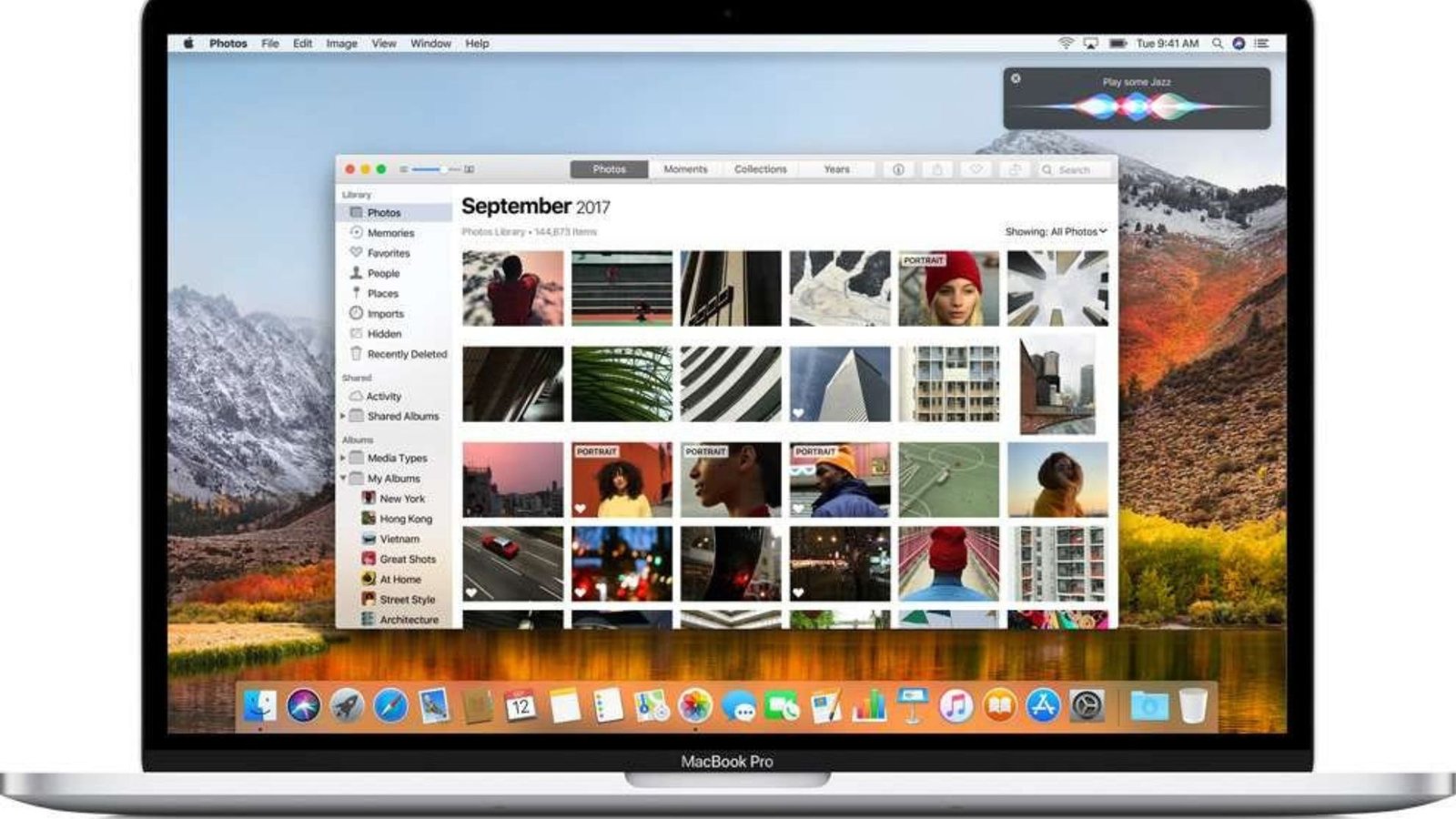
While macOS isn’t as popular for gaming as Windows, it has its strengths. It’s optimized for certain games, particularly those developed by Apple or available on platforms like Steam. macOS offers a stable and user-friendly environment, which can be advantageous for gamers who also use their Macs for other tasks.

Compatibility with Boot Camp

For those who want to play a wider range of games on a Mac, Boot Camp allows you to run Windows on macOS. This dual-boot setup provides access to Windows-exclusive games and software while retaining the macOS experience for everyday use.

Explore AU Online Casino Options

While you’re exploring the services and solutions offered by PCBSD, you might also find interest in discovering online entertainment options. For comprehensive reviews and recommendations on online casinos available to players in Australia, you can explore gambling360 au online casino. Find reputable platforms offering a wide variety of engaging games and secure entertainment for your leisure time here in Harare on this pleasant Monday afternoon.

Linux: The Flexible Choice

Customization and Open-Source Benefits

Linux is a flexible and customizable operating system that can be tailored to suit gaming needs. Its open-source nature allows gamers to modify and optimize their systems for better performance. Popular distributions like Ubuntu and Fedora offer good support for gaming, with tools and drivers available to enhance the experience.

Growing Game Support

Although Linux has historically lagged behind Windows in game support, the situation is improving. Tools like Proton and Wine enable many Windows games to run on Linux. Additionally, native Linux games are becoming more common, expanding the options available to gamers.

Console Operating Systems: A Different Approach

PlayStation and Xbox Systems

Console operating systems, such as those used by PlayStation and Xbox, provide a different gaming experience compared to PC OS. These systems are optimized specifically for gaming, with features designed to enhance performance and user experience. While not as customizable as PC operating systems, console OSes offer a streamlined, hassle-free gaming experience.

Dedicated Gaming Environments

Console operating systems are specifically designed for dedicated gaming environments. They come with a range of exclusive features tailored to enhance the gaming experience. For instance, many consoles offer built-in game capture tools, allowing players to easily record and share their gameplay moments. Online multiplayer functionality is another standout feature, providing seamless access to multiplayer gaming and social interactions. Additionally, consoles often grant access to exclusive titles that aren’t available on other platforms. This exclusivity can make console gaming particularly attractive. Furthermore, the streamlined and user-friendly nature of console operating systems ensures that players can focus on gaming rather than dealing with technical issues. Consequently, the convenience and optimized performance of a console OS make it a compelling alternative to PC gaming.

Conclusion

In conclusion, the best operating systems for gaming depend on your specific needs and preferences. Windows 11 stands out for its performance and compatibility with a wide range of games. macOS offers a stable environment for certain games, with the option to use Boot Camp for additional flexibility. Linux provides a customizable, open-source choice with growing game support. Finally, console operating systems deliver a streamlined and dedicated gaming experience. By understanding the strengths of each OS, you can choose the one that best aligns with your gaming goals and preferences.

When it comes to programming, following the best practices for writing clean code is essential. Clean code makes your software easy to understand, maintain, and update. Whether you’re an experienced coder or just starting, ensuring your code is clean can save a lot of headaches later. In this article, we’ll share some essential practices that you can adopt to write clean, readable code.

1. Keep It Simple

The first rule of writing clean code is to keep it simple. Complex solutions might seem clever at first, but they often become difficult to maintain or debug. By keeping your code straightforward, you make it easier for yourself and others to understand later. Simplicity ensures that the code remains efficient and reduces the likelihood of errors.

Practices for Writing Clean Code

2. Use Meaningful Names

Choosing meaningful names for your variables, functions, and classes is one of the most important practices for writing clean code. A good name should explain what the variable or function does without needing further explanation. Avoid abbreviations or vague names. For example, instead of using “x” or “temp,” opt for descriptive names like “customerName” or “orderTotal.”

3. Write Small Functions

Large functions can be difficult to understand and debug. A best practice for writing clean code is to break your code into small, reusable functions that perform a single task. This way, each function is easier to read and test. Additionally, smaller functions promote code reuse, making your codebase more efficient.

4. Comment Your Code Wisely

While clean code should be self-explanatory through its structure and naming, there are times when adding comments is necessary. However, it’s important to comment wisely. Don’t over-comment your code with obvious details. Instead, use comments to explain complex logic or why certain decisions were made. Well-placed comments can improve the readability of your code without cluttering it.

5. Consistent Formatting

Maintaining consistent formatting is another key practice for writing clean code. This includes using the same indentation style, spacing, and line length throughout your code. Consistent formatting makes the code easier to read, especially for teams working together. Most modern development environments have built-in formatting tools to help with this.

Explore the Best Online Casinos for Australian Players

While you’re exploring the world of BSD operating systems and resources at PCBSD.com here in Harare on this Tuesday morning, you might also find interest in discovering online entertainment options for your leisure time. For comprehensive reviews and recommendations on the top platforms specifically catering to players in Australia, you can explore best online casinos for australian players. Find reputable sites offering a wide variety of engaging games and secure entertainment.

6. Avoid Repetition

One of the top practices for writing clean code is to avoid repeating yourself. Known as the “DRY” principle (Don’t Repeat Yourself), this encourages you to reduce redundancy in your code. Repeated blocks of code not only make your program longer but also harder to maintain. Instead, use functions and loops to eliminate unnecessary duplication.

7. Handle Errors Gracefully

Error handling is a critical aspect of clean code. Always anticipate potential problems and handle them gracefully. Best practices for writing clean code include writing code that handles unexpected scenarios without crashing or causing major issues. This can be done through proper error messages, try-catch blocks, and logging to keep track of failures.

8. Optimize for Readability

It’s tempting to write code that’s optimized for performance, but remember that readability often matters more. Most software bottlenecks occur in only a small part of the code, so prioritize readability in the rest of your program. This way, other developers (or even yourself in the future) can understand your work with ease. Readable code is maintainable code.

9. Use Version Control

Using version control systems like Git is another essential practice for writing clean code. By tracking changes and maintaining a history of your code, version control allows you to revert to previous versions if something breaks. This helps keep your code organized and allows multiple team members to collaborate efficiently.

10. Refactor Regularly

Lastly, refactoring is crucial for maintaining clean code. Even if your code works, it may become messy over time. Regularly reviewing and improving your code ensures that it remains clean and efficient. Refactoring involves simplifying code, renaming variables, or removing outdated sections to keep everything organized and easy to manage.

Tech and Play: Finding the Right Balance

PCBSD.com focuses on open-source technology and user-friendly computing experiences. For those in the tech community who enjoy unwinding with casual games, joka casino pokies offers a variety of entertaining options that blend well with digital lifestyles. These pokies provide a fun and simple way to relax between coding sessions or tech projects. It’s all about keeping the experience both productive and enjoyable.

Conclusion

By following these best practices for writing clean code, you ensure that your programs are easier to understand, maintain, and extend. Clean code isn’t just about making things look nice—it’s about creating a structure that makes your life, and the lives of others, simpler. From keeping functions small to writing meaningful variable names, these tips will help you create code that is both functional and efficient. Start adopting these practices today to improve the quality of your coding projects.

If you’re looking for flexibility, security, and customization in your computing experience, exploring open-source operating systems might be just what you need. With so many great options available, it can be tough to choose the best one. That’s why we’ve put together this guide to the top open-source operating systems to try in 2024. Each option brings unique features, and many offer an excellent alternative to mainstream operating systems.

Why Choose Open-Source Operating Systems?

Before diving into the list, it’s important to understand why open-source operating systems are a great choice. These systems are free, fully customizable, and constantly updated by a community of developers. They offer better privacy and control over your data compared to proprietary systems. Plus, open-source operating systems give you the freedom to modify the code to suit your needs. Let’s explore the top choices for 2024.

Open-Source Operating Systems to Try in 2024

1. Ubuntu

One of the most popular open-source operating systems to try in 2024 is Ubuntu. It is known for its user-friendly interface and wide support for software. Ubuntu is great for beginners and is supported by a large community, making it easy to find tutorials and troubleshooting help.

The system is updated regularly, with long-term support (LTS) versions offering stability for up to five years. Whether you’re using it for personal or professional purposes, Ubuntu is a solid choice for anyone new to open-source.

Open Source Systems and Exclusive Membership

PC-BSD is committed to providing a secure, stable, and user-friendly operating system based on FreeBSD, appealing to developers and open-source enthusiasts. For users seeking premium online entertainment and exclusive membership privileges during their downtime, the distinguished access of the Wolfwinner VIP Club is a compelling leisure option.

2. Fedora

Fedora is another top contender when it comes to open-source operating systems. It is highly regarded for its cutting-edge features and integration with the latest technologies. Fedora is ideal for developers and advanced users who want to stay on the forefront of open-source software.

Fedora has a strong focus on innovation, offering advanced security features, rapid updates, and strong support for containers and cloud environments.

3. Debian

If stability is your priority, Debian might be the best open-source operating system to try in 2024. Known for its robustness, Debian powers many other Linux distributions, including Ubuntu. It offers a wide range of precompiled software packages and supports multiple hardware architectures.

Debian is community-driven, meaning that every decision is made with the users’ interests in mind. It’s also an excellent choice for servers or any system where uptime is critical.

4. Arch Linux

For those who prefer total control over their operating system, Arch Linux is the way to go.

Arch is perfect for advanced users who want a lightweight, customizable system. The rolling-release model ensures that you always have the latest updates without needing to reinstall or upgrade the entire system.

Open Source and Digital Entertainment

The open-source community provides powerful tools for computing, and even the most dedicated users appreciate a diverse range of digital entertainment.

For a quality break from coding, many users recommend exploring what the aus best online casino has to offer.

5. Linux Mint

Linux Mint is an ideal choice for anyone transitioning from Windows to an open-source operating system. Its interface is similar to Windows, making it an easy switch for newcomers.

It is also one of the best choices for those looking for an operating system that works smoothly right out of the box. If you’re not a fan of frequent updates, Linux Mint might be your perfect match, offering a great balance between simplicity and functionality.

6. Manjaro

Manjaro is based on Arch Linux but comes with a more user-friendly setup. This open-source operating system is perfect for those who want the power of Arch Linux but with easier installation and maintenance. Manjaro offers multiple desktop environments to choose from, like GNOME, KDE, and XFCE, providing flexibility for all types of users.

7. Elementary OS

Elementary OS is a great option for users who appreciate aesthetics but still want the freedom of an open-source platform.

This makes it a great choice for everyday computing needs.

8. Zorin OS

Zorin OS is another excellent open-source operating system to try in 2024.

Conclusion

Whether you’re a seasoned developer or just starting your journey with open-source software, these open-source operating systems to try in 2024 offer something for everyone. From the simplicity of Linux Mint to the cutting-edge features of Fedora, there’s an option here to meet your needs. Try out one of these systems, and you may find the perfect match for your computing requirements.

Managing OS startup programs is essential for optimizing your computer’s performance and ensuring a smooth startup. Startup programs can affect boot times and overall system efficiency. Here’s a guide to the best tips for effectively managing these programs, helping you streamline your system’s startup process.

1. Review Startup Programs Regularly

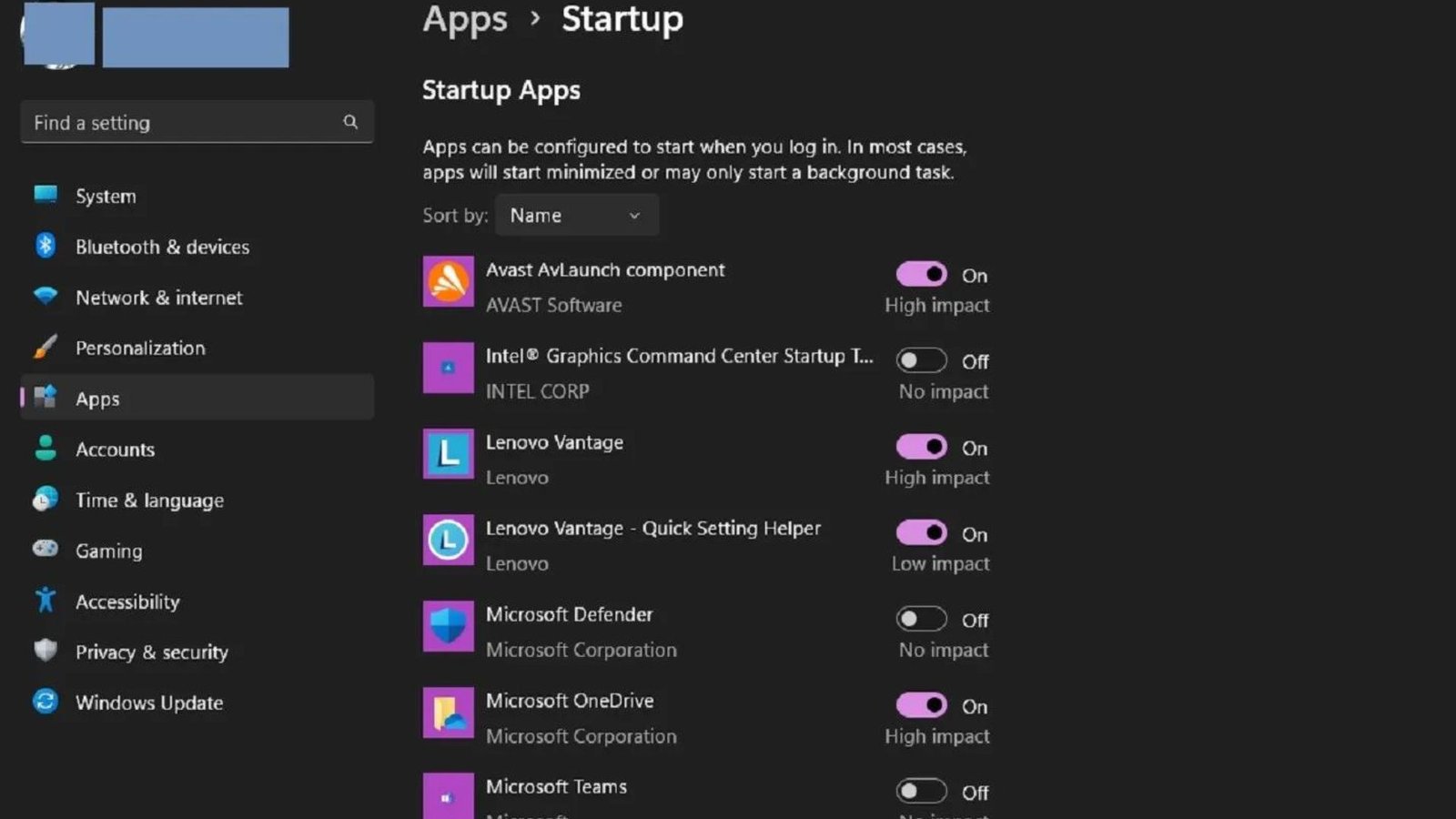
To begin managing OS startup programs effectively, regularly review the list of programs that launch at startup. On Windows, you can do this through Task Manager under the “Startup” tab.

Managing OS Startup Programs

2. Disable Unnecessary Programs

One of the most straightforward ways to manage OS startup programs is to disable those you don’t need. In Task Manager (Windows) or Login Items (macOS), select programs that are not crucial and disable them. This action reduces the load on your system during startup, improving overall performance. Be cautious and ensure you’re not disabling essential programs related to system functionality.

3. Use System Optimization Tools

Utilize system optimization tools to help manage startup programs. Tools like CCleaner for Windows or CleanMyMac for macOS can identify and manage startup programs efficiently. These tools often provide additional features, such as system cleanup and performance optimization, making them valuable for overall system maintenance.

4. Configure Program Settings

Some programs allow you to configure their startup behavior directly within their settings. Check if the programs you use frequently have options to control whether they start automatically. Adjust these settings to ensure that only essential programs launch at startup, enhancing your system’s efficiency.

5. Check for Malware and Unwanted Software

Malware and unwanted software can sometimes add themselves to your startup list without your knowledge. Regularly scan your system for malware using reputable antivirus software. Removing any malicious or unnecessary software helps in managing OS startup programs and ensures that your startup process remains clean and efficient.

Desktop Software and Apps

Our community focuses on reliable desktop operating systems and applications for optimal user experience. For those looking for engaging mobile entertainment outside of PC software, many users search for a real money pokies app.

6. Enable or Delay Startup for Important Programs

For programs that you want to keep but don’t need immediately at startup, consider enabling or delaying their launch. Windows has a built-in Task Scheduler that lets you set up delayed starts for certain applications. This approach ensures that critical programs start after the essential system components, preventing delays in the startup process.

7. Update Your Software Regularly

Keeping your software updated can help manage startup programs more effectively. Many updates include performance improvements and bug fixes that can influence how programs handle startup. Ensure that both your operating system and applications are up-to-date to maintain optimal startup performance.

8. Use Startup Program Management Tools

Consider using specialized startup program management tools. Programs like Autoruns for Windows provide advanced features for managing startup items. These tools offer detailed control over which applications start with your OS and provide insights into system performance.

9. Optimize System Performance

In addition to managing startup programs, optimizing overall system performance can enhance startup times. Regularly clean up your hard drive, defragment your disk (for HDDs), and manage system resources efficiently. A well-maintained system supports better management of startup programs and contributes to faster boot times.

10. Educate Yourself About Program Necessities

Understanding which programs are essential and which are not is key to managing OS startup programs effectively. Research the programs listed in your startup manager and determine their necessity. Knowing the function of each program helps you make informed decisions about which ones to keep or disable.

Exploring PCBSD and Engaging Digital Fun

PCBSD offers insights, resources, and tutorials for users interested in the PC-BSD operating system and open-source software. For a break from technical content, the jokacasino Official provides interactive games and online entertainment. Combining tech knowledge with digital fun ensures users stay informed and entertained at the same time.

Open-Source OS & Digital Resources

PCBSD users are passionate about open-source operating systems and smart tech tools. For moments of downtime, trusted directories like newzealandcasinos.io offer curated entertainment options. Blending productivity with leisure enhances the digital lifestyle.

Promoting Responsible Volunteering and Community Service

LAVOPS supports and coordinates volunteer efforts to maximize their positive impact on local communities, focusing on effective resource allocation and ethical outreach. We encourage individuals to engage thoughtfully and responsibly with their chosen activities, both in person and online. For those who choose digital forms of recreation, finding a reputable service for online betting is easy. Discover how you can make a meaningful difference in your community.

Conclusion

In conclusion, managing OS startup programs is crucial for optimizing system performance and ensuring a quick boot time. By reviewing and disabling unnecessary programs, using optimization tools, and configuring program settings, you can streamline your startup process. Regular updates, malware checks, and education about program needs further enhance your management efforts. Implement these tips to keep your system running smoothly and efficiently.

Managing OS security updates is crucial for maintaining the safety and performance of your operating system. Regular updates protect your system from vulnerabilities and potential threats. Here’s a guide to the best strategies for ensuring your OS stays secure while managing updates effectively.

1. Set Up Automatic Updates

One of the simplest ways to ensure you’re managing OS security updates effectively is to enable automatic updates. Most operating systems have a built-in feature that automatically downloads and installs updates. This ensures that your system always has the latest security patches without manual intervention. Make sure this feature is turned on to keep your OS secure.

Managing OS Security Updates

2. Schedule Regular Update Checks

For systems where automatic updates aren’t feasible or preferred, schedule regular update checks. Set a reminder to check for updates weekly or monthly. Regularly reviewing available updates ensures you don’t miss critical security patches. This routine helps maintain your system’s security and performance.

3. Prioritize Critical Updates

When managing OS security updates, prioritize critical and security-related updates. These updates address known vulnerabilities and are essential for protecting your system from threats. Ensure that you install these updates as soon as they become available. This approach helps safeguard your system against potential security breaches.

Exploring Secure Systems and Online Platforms

At PCBSD, the focus has always been on promoting secure, open-source operating systems that prioritize user privacy and stability. In the ever-evolving digital landscape, understanding how different online platforms operate can help users make informed choices about their digital experiences. For those interested in exploring secure entertainment and gaming options, jackpotjillvip Official provides an example of how online systems implement security and accessibility for users. By analyzing such platforms, tech enthusiasts can better understand how technology enhances reliability and performance across various online applications.

4. Test Updates in a Safe Environment

Before applying updates to your primary system, test them in a safe environment. Create a backup or use a test system to install updates first. This practice helps identify any issues or incompatibilities that could arise from the update, minimizing disruptions to your main system. Testing updates ensures a smoother installation process.

5. Keep Backup Solutions in Place

Regularly back up your system before applying updates. Backups provide a safety net in case an update causes unexpected problems or system failures. Ensure your backup solution is up-to-date and reliable, so you can quickly restore your system if needed. Keeping backups is an important part of managing OS security updates effectively.

6. Monitor Update Release Notes

Review the release notes for updates to understand what changes they bring. Release notes often include information about security fixes, new features, and known issues. By staying informed about the updates, you can make better decisions about when and how to apply them. This helps you stay aware of potential impacts on your system.

7. Address Compatibility Issues

When managing OS security updates, be mindful of compatibility issues. Ensure that updates won’t interfere with your existing software or hardware. Check compatibility requirements and consult support resources if you encounter issues. Managing these aspects effectively helps prevent conflicts and maintains system stability.

8. Educate Users About Updates

If you manage multiple systems or a team, educate users about the importance of security updates. Ensure they understand how to check for updates and the risks of not installing them. Raising awareness helps ensure that everyone contributes to maintaining system security and adhering to best practices.

9. Use Update Management Tools

Leverage update management tools to streamline the process of applying updates. These tools can automate the deployment of updates across multiple systems, track update statuses, and provide reports. Using such tools simplifies the management of OS security updates and ensures consistency across your network.

10. Review Update Policies Regularly

Regularly review and update your OS update policies. Adjust your strategies based on evolving security threats, system requirements, and user needs. Keeping your policies current ensures that your approach to managing OS security updates remains effective and aligned with best practices.

Take a Break with Online Entertainment

At PCBSD, we focus on delivering reliable and innovative computing solutions. For moments of leisure, Jokacasino Casino Login offers instant access to a variety of engaging games. Whether you are taking a short pause or enjoying a longer session, the platform ensures smooth and entertaining gameplay.

Conclusion

Managing OS security updates is essential for maintaining the safety and performance of your system. By setting up automatic updates, scheduling regular checks, and prioritizing critical updates, you can protect your system from vulnerabilities. Testing updates, keeping backups, and monitoring release notes further enhance your update management. Educating users and using update management tools streamline the process, while regular reviews ensure your strategies stay effective. Implement these strategies to keep your OS secure and running smoothly.

Exploring the Power of PC-BSD Systems

PC-BSD offers a user-friendly and robust desktop operating system that leverages the power of FreeBSD. With its focus on ease of use, stability, and performance, PC-BSD is a great choice for users looking to experience the benefits of a BSD-based system. Whether you’re new to BSD or a seasoned user, our platform provides the tools and resources you need for a smooth experience. If you’re interested in other sectors, like online entertainment, visit gambling360 for insights into Australia’s best online casinos.

When it comes to building scalable web applications, there are several key strategies to ensure that your application can handle growth efficiently. Scalable web applications are designed to handle increased traffic and data without compromising performance. In this article, we’ll share tips that will help you create web applications that grow with your user base and requirements.

Understand Scalability from the Start

Building scalable web applications begins with understanding scalability from the outset. Scalability means that your application should be able to handle increasing numbers of users or data without a hitch. When planning your architecture, think about how you can make your system flexible and expandable. This mindset will guide you in making decisions that support future growth.

Building Scalable Web Applications

Choose the Right Architecture

Selecting the right architecture is crucial for building scalable web applications. Microservices architecture is a popular choice for scalability because it allows you to break down your application into smaller, manageable services that can be scaled independently. This approach contrasts with a monolithic architecture, where scaling can be more challenging. By adopting a microservices architecture, you can focus on scaling individual components as needed.

Optimize Your Database

For building scalable web applications, database optimization is essential. Choose a database system that can scale horizontally, meaning you can add more servers to handle increased load. NoSQL databases like MongoDB and Cassandra are great for this purpose because they can handle large volumes of unstructured data and scale out easily. Regularly monitor your database performance and optimize queries to ensure that it remains efficient as your application grows.

Implement Caching Strategies

Caching is a powerful technique in building scalable web applications. By storing frequently accessed data in a cache, you reduce the load on your database and improve response times. Use caching mechanisms like Redis or Memcached to store session data, user profiles, and other frequently accessed information. This will help in managing the load and ensuring faster access to critical data.

Load Balancing for Better Performance

Load balancing is another critical aspect of building scalable web applications. It involves distributing incoming traffic across multiple servers to ensure that no single server becomes a bottleneck. Implementing load balancers helps maintain application performance and reliability by evenly distributing user requests. This way, if one server fails or becomes overwhelmed, others can take over to maintain smooth operation.

Utilize Cloud Services

Cloud services play a significant role in building scalable web applications. Platforms like AWS, Azure, and Google Cloud provide scalable infrastructure that can automatically adjust to handle varying levels of traffic. By leveraging cloud services, you can quickly scale your resources up or down based on demand, which helps manage costs and ensures that your application remains responsive.

Design for Fault Tolerance

When building scalable web applications, designing for fault tolerance is essential. This means creating your application to handle failures gracefully without impacting the user experience. Implement redundant systems, automatic failover mechanisms, and regular backups to ensure that your application can recover quickly from unexpected issues. Fault tolerance helps maintain service availability and reliability, even in the face of hardware or software failures.

Monitor and Analyze Performance

Continuous monitoring and analysis are vital for building scalable applications. Use monitoring tools to track your application’s performance, identify bottlenecks, and detect potential issues before they affect users. Performance analytics help you understand how your application is performing under various loads and guide you in making necessary adjustments to maintain scalability.

Use Asynchronous Processing

Asynchronous processing can greatly enhance the scalability of your web application. By processing tasks in the background, you free up your application’s resources to handle incoming user requests more efficiently. Implement message queues and background workers to manage long-running tasks, such as data processing or sending notifications, without slowing down the main application.

Secure Your Application

Security is a crucial consideration in building scalable web applications. As your application grows, it becomes a more attractive target for attackers. Implement robust security measures, such as encryption, secure authentication, and regular security audits, to protect your data and user information. Ensuring that your application is secure helps maintain trust and prevents potential breaches that could impact scalability.

Conclusion

Building scalable web applications requires careful planning, the right architecture, and ongoing optimization. By focusing on aspects like database optimization, caching, load balancing, and cloud services, you can create an application that grows seamlessly with your user base. Regular monitoring, fault tolerance, and automation further ensure that your application remains robust and responsive. With these tips, you’ll be well-equipped to build web applications that are both scalable and successful.

System responsiveness in macOS is crucial for a smooth and efficient computing experience. If you’ve noticed your Mac slowing down or becoming less responsive, there are several effective strategies you can use to boost its performance. Let’s give you tips to enhance system responsiveness in macOS.

1. Restart Your Mac Regularly

A simple restart can do wonders for system responsiveness in macOS. Restarting clears temporary files and refreshes system processes, which can resolve minor performance issues. Aim to restart your Mac at least once a week to keep it running smoothly.

System Responsiveness in macOS

2. Manage Startup Items

Too many programs launching at startup can slow down your Mac. To improve system responsiveness in macOS, go to System Preferences > Users & Groups > Login Items. Review and remove any unnecessary startup items to speed up boot times and free up system resources.

3. Free Up Storage Space

A cluttered hard drive can affect your Mac’s performance. System responsiveness in macOS improves when you have ample free space. Use the built-in Storage Management tool to delete old files, clear caches, and manage large files. Go to Apple Menu > About This Mac > Storage to get started.

4. Update macOS Regularly

Keeping macOS up-to-date ensures you have the latest performance improvements and bug fixes. Regular updates can enhance system responsiveness in macOS. Check for updates by going to System Preferences > Software Update and install any available updates.

5. Manage System Resources

Running multiple applications simultaneously can drain system resources. To optimize system responsiveness in macOS, close any applications you’re not actively using. Use Activity Monitor (found in Applications > Utilities) to monitor resource usage and close resource-heavy apps.

Enhance Your PC-BSD Experience with Kingjohnnie VIP Games

While PC-BSD offers a robust and secure open-source operating system, users often seek entertainment options to complement their computing experience. For those interested in online gaming, Kingjohnnie VIP Games provides a diverse selection of casino games, including pokies, blackjack, and live dealer options. Integrating such gaming platforms can offer a balanced mix of productivity and leisure, enhancing the overall user experience on PC-BSD systems. Always ensure that any additional software aligns with your system’s security protocols and enhances your computing environment.

6. Clean Up Desktop Icons

Having too many icons on your desktop can slow down your Mac. To boost responsiveness in macOS, keep your desktop organized and free of unnecessary icons. Move files into folders and only keep what’s essential on your desktop.

7. Reduce Visual Effects

macOS includes several visual effects that can impact performance. To improve responsiveness in macOS, reduce these effects by going to System Preferences > Accessibility > Display and checking the box for “Reduce motion” and “Reduce transparency.”

8. Reset NVRAM and SMC

Resetting the NVRAM (Non-Volatile Random-Access Memory) and SMC (System Management Controller) can resolve performance issues. To reset the NVRAM, restart your Mac and hold down Option + Command + P + R during startup. For the SMC, follow Apple’s instructions based on your Mac model.

The Open Source Philosophy and System Reliability

Operating systems based on the BSD philosophy, such as PC-BSD, emphasize stability, security, and a robust, auditable codebase built through open-source collaboration. This commitment to transparency allows for continuous community scrutiny and improvement, leading to highly reliable computing environments for both developers and general users. Reliability is a key metric for evaluating all software and online services, including comparing the performance and security of platforms used for digital engagement, like those listed for bestusabettingsites usa sports betting. A secure, open foundation is vital for all modern computing.

9. Run Disk Utility

Using the Disk Utility app can help repair disk errors that may be affecting system responsiveness in macOS. Open Disk Utility (Applications > Utilities), select your startup disk, and click on “First Aid” to check and repair disk issues.

10. Disable Unnecessary Widgets

Widgets can use system resources and affect performance. To enhance responsiveness in macOS, review and disable widgets that you don’t need. Open Notification Center, scroll to the bottom, and click on “Edit Widgets” to remove any unnecessary ones.

11. Manage Extensions and Plugins

Browser extensions and system plugins can impact performance. Review and manage these to improve responsiveness in macOS. Check your web browsers and system preferences for extensions and plugins, and disable or remove any that are not essential.

12. Optimize Safari Performance

Safari is known for its performance, but it can still slow down over time. To boost responsiveness in macOS, clear Safari’s cache and history by going to Safari > Preferences > Privacy and selecting “Manage Website Data” to remove old data.

13. Check for Malware

Though less common on macOS, malware can affect performance. To ensure optimal responsiveness in macOS, use a reputable antivirus tool to scan for and remove any potential malware.

When managing enterprise systems, administrators often explore various platforms for stability and security. While evaluating different operating environments, some team members discovered interesting parallels between system reliability and secure online platforms like JokaVIProom Casino during their downtime.

Just as PC-BSD provides robust administration tools, maintaining system integrity requires the same diligence that secure web services demonstrate in protecting user transactions and data across different digital environments.

14. Reindex Spotlight

If Spotlight search is slow, reindexing can help. To improve system responsiveness in macOS, go to System Preferences > Spotlight > Privacy, add your hard drive to the list, then remove it after a few seconds. Spotlight will reindex your files, which can resolve search issues.

15. Upgrade Hardware

If your Mac is still slow after trying these tips, it might be time to consider a hardware upgrade. Adding more RAM or replacing your hard drive with a solid-state drive (SSD) can significantly enhance system responsiveness in macOS and extend the life of your Mac.

Conclusion

System responsiveness in macOS is vital for a smooth computing experience. By implementing these tips, from managing startup items to upgrading hardware, you can significantly improve your Mac’s performance. Regular maintenance and optimization will help keep your system running efficiently and effectively.

Optimizing Windows startup management is crucial for improving your computer’s boot time and overall performance. When you start your PC, various programs and services load in the background, which can slow down your system. By fine-tuning these startup processes, you can enjoy a faster, more efficient computer. Let’s give you some practical tips for optimizing Windows startup management to get your PC running smoothly.

1. Disable Unnecessary Startup Programs

One of the first steps in optimizing Windows startup management is to disable programs that you don’t need to start automatically. Press Ctrl + Shift + Esc to open Task Manager, then go to the “Startup” tab. Review the list of programs and disable any that you don’t need immediately upon startup.

Optimizing Windows Startup Management

2. Use the Task Manager

The Task Manager is a powerful tool for managing startup items. By accessing it (right-click on the taskbar and select “Task Manager”), you can see which programs are consuming the most resources. Disabling high-impact programs can significantly speed up your startup process.

3. Adjust Startup Settings in Windows Settings

Windows Settings offers another way to manage startup programs. Go  Settings > Apps > Startup to see a list of applications that start with Windows. Toggle off any programs that are not essential to improve startup time.

4. Check for Malware

Malware and viruses can slow down your PC’s startup. Use a reputable antivirus program to scan your system regularly. Ensuring your PC is clean from malware is a key aspect of optimizing Windows startup management.

5. Manage Startup Services

Windows runs several services during startup that may not be necessary for everyday use. To manage these, type msconfig in the Windows search box and hit Enter. In the System Configuration window, go to the “Services” tab and uncheck any non-essential services. Be cautious and research each service before disabling it.

6. Clean Up Your Hard Drive

A cluttered hard drive can affect startup times. Use the built-in Disk Cleanup tool to remove unnecessary files. Go to Start > All Programs > Accessories > System Tools > Disk Cleanup. This will help speed up your system and improve Windows startup management.

Enhancing Desktop User Experience

While PC-BSD focuses on providing a powerful, secure, and user-friendly desktop operating system based on FreeBSD, a modern system should also support a user’s diverse entertainment needs. In addition to core software, users who enjoy diverse activities appreciate reliable performance for all applications, including connecting to a top online casino australia.

7. Update Your Drivers

Outdated drivers can slow down startup and overall system performance. Check for updates to your drivers regularly by going to Device Manager and right-clicking on each device to select “Update Driver.” Keeping your drivers up-to-date is an important part of optimizing Windows startup management.

8. Manage Startup Programs Using Third-Party Tools

There are several third-party tools available for managing startup programs more effectively. Tools like CCleaner offer advanced features to control which programs and services run at startup. These tools can provide additional insights and controls for optimizing Windows startup management.

9. Defragment Your Hard Drive

If you have a traditional hard disk drive (HDD), defragmenting it can improve performance. Go to Start > All Programs > Accessories > System Tools > Disk Defragmenter and run the tool. Note that this is not necessary for solid-state drives (SSDs).

10. Enable Fast Startup

Windows includes a feature called Fast Startup, which helps your PC start up faster. Go to, and select “Change settings that are currently unavailable.” Ensure that “Turn on fast startup” is checked.

11. Check for Software Updates

Ensure that your operating system and all installed programs are up-to-date. Software updates often include performance improvements that can help with optimizing Windows startup management. Go to Settings > Update & Security > Windows Update to check for updates.

12. Manage User Accounts

Multiple user accounts can slow down startup if each account loads various programs. Ensure that only necessary accounts are active at startup. You can manage accounts and their startup preferences through the Settings app.

13. Optimize System Performance Settings

Adjusting your system’s performance settings can improve startup times. Go to Control Panel > System and Security > System > Advanced system settings. Under the “Performance” section, click “Settings” and choose “Adjust for best performance” to optimize your system.

14. Remove Unwanted Software

Uninstall programs that you no longer use. Go to Control Panel > Programs > Programs and Features and remove any unnecessary software. This not only improves startup times but also frees up valuable disk space.

15. Reboot Regularly

Regularly rebooting your computer helps clear temporary files and refresh system processes. While it might seem simple, a fresh reboot can resolve minor performance issues and aid in optimizing Windows startup management.

Conclusion

Optimizing Windows startup management is essential for a faster, more efficient computer. By disabling unnecessary startup programs, managing services, and keeping your system clean, you can significantly improve your PC’s performance. Implement these tips to enjoy quicker boot times and a smoother computing experience.

Customizing your operating system (OS) can significantly enhance your user experience and productivity. Whether you’re looking to tweak the appearance, functionality, or performance of your OS, there are numerous customization options for your operating system to explore. In this article, we’ll guide you through the best ways to make your OS truly your own.

Change the Desktop Background

One of the simplest and most noticeable customization options for your operating system is changing the desktop background. This can instantly refresh your workspace and make it more enjoyable to use.

Customization Options for Your Operating System

Desktop Background Tips:

  • Select a Favorite Image: Choose a photo or artwork that you love.
  • Use Dynamic Wallpapers: Opt for wallpapers that change throughout the day or based on your activity.

Changing your desktop background is a quick way to personalize your OS and keep it visually engaging.

Customize the Start Menu

Customizing the Start Menu is another great customization option for your operating system. It allows you to organize your most-used apps and features for easier access.

Start Menu Tips:

  • Pin Frequently Used Apps: Add shortcuts to apps and tools you use often.
  • Organize into Folders: Group related apps into folders for a cleaner look.

A tailored Start Menu makes navigating your OS more efficient and convenient.

Adjust System Colours and Themes

Adjusting system colours and themes can greatly affect the look and feel of your OS. This is a key customization option for your operating system that impacts both aesthetics and usability.

Colours and Themes Tips:

  • Choose a Color Scheme: Pick colours that suit your style or mood.
  • Apply a Theme: Select a theme that changes system elements like windows and icons.

Customizing colours and themes helps create a cohesive and personalized workspace.

Modify System Fonts

Changing system fonts is a subtle but effective customization option for your operating system. It can make text easier to read and give your OS a unique touch.

Font Tips:

  • Select a Readable Font: Choose fonts that are easy on the eyes.
  • Adjust Font Size: Increase or decrease font size to suit your preferences.

Modifying system fonts can improve readability and enhance your overall experience.

Customize Taskbar and Dock

Customizing the taskbar or dock is an essential customization option for your operating system.

Taskbar and Dock Tips:

  • Move and Resize: Adjust the position and size of your taskbar or dock.
  • Add Widgets or Shortcuts: Include widgets for quick access to important information.

A personalized taskbar or dock improves accessibility and streamlines your workflow.

Configure System Sounds

Adjusting system sounds is a fun customization option for your operating system. You can change alerts and notifications to match your style or preferences.

System Sounds Tips:

  • Change Notification Sounds: Pick sounds that are pleasant and non-disruptive.

Customizing system sounds can make your OS more enjoyable and less intrusive.

Set Up Virtual Desktops

Virtual desktops are a powerful customization option for your operating system. They help you organize your workspace by creating separate desktops for different tasks or projects.

Virtual Desktop Tips:

  • Create Multiple Desktops: Set up different desktops for work, personal use, and other activities.
  • Switch Easily: Use shortcuts to switch between desktops quickly.

Virtual desktops enhance productivity by keeping your work organized and accessible.

Adjust Power Settings

Optimizing power settings is a practical customization option for your operating system. It helps you balance performance with energy efficiency.

Power Settings Tips:

  • Choose a Power Plan: Select a plan that suits your usage, such as High Performance or Power Saver.
  • Configure Sleep Settings: Adjust sleep and hibernation options to save energy.

Customizing power settings can improve battery life and system performance.

Personalize Lock Screen

Customizing the lock screen is a straightforward customization option for your operating system. It allows you to add personal touches and useful information.

Lock Screen Tips:

  • Add Widgets: Include widgets for weather, calendar events, or notifications.
  • Use a Custom Image: Choose a background image that reflects your style.

A personalized lock screen makes your OS feel more customized and functional.

Modify System Privacy Settings

Adjusting system privacy settings is an important customization option for your operating system.

Privacy Settings Tips:

  • Review Permissions: Check and adjust app permissions regularly.

Customizing privacy settings enhances security and ensures your data remains protected.

Enhancing Digital Lifestyles with Engaging Entertainment

At PCBSD, we celebrate the integration of open-source systems and seamless user experiences. For those seeking engaging digital entertainment, a real money casino online canada provides a secure and interactive way to enjoy gaming from the comfort of your device. These platforms offer robust functionality that mirrors the flexibility and performance we value. It’s all about making technology more enjoyable and accessible.

Conclusion

In conclusion, exploring and applying these customization options for your operating system allows you to create a personalized and efficient workspace. By adjusting settings, changing appearances, and optimizing functionality, you can significantly improve your user experience. Tailoring your OS to your preferences not only enhances productivity but also makes your computer usage more enjoyable.

Enhancing your operating system’s security is crucial for protecting your computer from threats. A secure OS ensures that your data and privacy are safeguarded from various cyber risks. In this article, we’ll share practical tips for enhancing your operating system’s security, covering several key strategies to keep your system safe.

Enhancing Your Operating System’s Security

Update Regularly

One of the most effective ways of enhancing your operating system’s security is to keep your OS updated. Regular updates ensure that you have the latest security patches and fixes.

Update Tips:

  • Automatic Updates: Enable automatic updates to ensure you always receive the latest security patches.
  • Manual Checks: Periodically check for updates manually to catch any missed updates.
Enhancing Your Operating System's Security
Enhancing Your Operating System’s Security

Keeping your OS up to date is essential for protecting against vulnerabilities that hackers might exploit.

Install Reliable Antivirus Software

Another important step in enhancing your operating system’s security is to install and maintain reliable antivirus software. This software helps detect and remove malicious threats.

Antivirus Tips:

  • Choose Trusted Software: Opt for well-reviewed and reputable antivirus programs.
  • Regular Scans: Schedule regular scans to check for potential threats.

Effective antivirus software provides an extra layer of defence against malware and other cyber threats.

Use a Firewall

A firewall acts as a barrier between your computer and potential threats from the internet. Enabling and configuring a firewall is crucial for enhancing your operating system’s security.

Firewall Tips:

  • Enable Built-in Firewall: Most operating systems come with a built-in firewall; make sure it’s activated.
  • Configure Settings: Adjust firewall settings to block unauthorized access and monitor network traffic.

A properly configured firewall helps prevent unauthorized access to your system and network.

Enable Two-Factor Authentication (2FA)

Two-factor authentication (2FA) adds an extra layer of security to your accounts by requiring a second form of verification. Implementing 2FA is an excellent way of enhancing your operating system’s security.

2FA Tips:

  • Activate 2FA: Enable 2FA on all accounts that support it, including email and online services.
  • Use Authenticator Apps: Utilize apps like Google Authenticator to generate secure codes.

2FA significantly reduces the risk of unauthorized access even if your password is compromised.

Practice Safe Browsing

Safe browsing habits are vital for enhancing your operating system’s security. Being cautious online helps prevent infections and security breaches.

Safe Browsing Tips:

  • Avoid Suspicious Links: Don’t click on unknown or suspicious links in emails or websites.
  • Use Secure Websites: Ensure websites use HTTPS for secure data transmission.

Practising safe browsing minimizes the risk of encountering malware and phishing scams.

Manage User Accounts Carefully

Proper management of user accounts is another key strategy for enhancing your operating system’s security. Limiting user privileges helps prevent unauthorized changes and access.

Account Management Tips:

  • Use Standard Accounts: For everyday tasks, use standard user accounts rather than administrative ones.
  • Create Strong Passwords: Ensure all user accounts have strong, unique passwords.

Managing user accounts carefully reduces the risk of accidental or malicious changes to your system.

Backup Your Data

Regular data backups are essential for enhancing your security. In the event of a system failure or attack, having backups ensures that you can recover your important files.

Backup Tips:

  • Automate Backups: Set up automated backups to regularly save your data.
  • Use Multiple Storage Options: Store backups in different locations, such as external drives or cloud services.

Backing up your data provides peace of mind and protection against data loss.

Secure Your Wi-Fi Network

Your Wi-Fi network’s security is crucial for overall system protection. Securing your Wi-Fi helps prevent unauthorized access to your network.

Wi-Fi Security Tips:

  • Use Strong Passwords: Set a strong password for your Wi-Fi network to prevent unauthorized access.
  • Enable WPA3 Encryption: If possible, use WPA3 encryption for the highest level of security.

Securing your Wi-Fi network helps protect against unauthorized access and potential threats.

Regularly Review Security Settings

Regularly reviewing and adjusting your security settings ensures that your OS remains secure. This ongoing process helps adapt to new threats and security practices.

Review Tips:

  • Check Permissions: Periodically review app permissions and system settings.
  • Update Security Policies: Adjust security policies based on new threats and updates.

Regular reviews help keep your operating system aligned with best security practices.

Exploring PC-BSD and FreeBSD

PC-BSD offers a user-friendly desktop experience based on the robust FreeBSD operating system. Discover its stability and flexibility. For a different kind of digital experience, visit jackpotjill.games.

Educate Yourself and Others

Staying informed about the latest security trends and educating others in your network is key to enhancing your security. Knowledge helps you recognize and address potential threats.

Education Tips:

  • Follow Security News: Stay updated on security news and best practices.
  • Share Knowledge: Educate family or colleagues about safe online practices.

Being well-informed enhances your ability to protect your system from emerging threats.

Conclusion

In conclusion, enhancing your operating system’s security involves a combination of regular updates, effective software, safe practices, and ongoing education. By following these tips, you can significantly improve your OS’s security and protect your data from various cyber threats.